

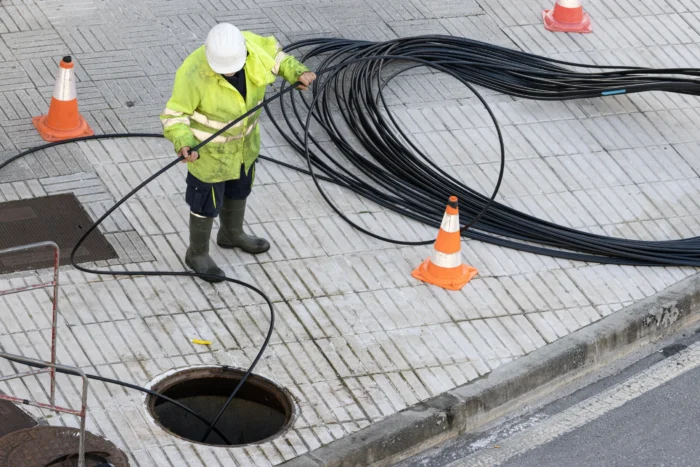
Why Scalable Structured Cabling Matters for Growing Teams in Maryland
As Maryland businesses continue to grow, their technology needs grow with them. Structured cabling forms the foundation of every reliable IT network, supporting data, voice, and communication systems across your entire facility. Without the right cabling infrastructure in place, even the best technology tools can fall short.
Growing teams face real challenges when their networks cannot keep up. Slow connections, dropped signals, and costly rewiring projects can disrupt daily operations. Therefore, planning a scalable cabling system from the start is one of the smartest investments a Maryland business can make.
What Is Structured Cabling and Why Does It Matter?
Structured cabling is a standardized system of cabling and hardware that supports your entire IT infrastructure. It organizes all data, voice, and video connections into one unified, manageable framework. As a result, businesses can easily expand or reconfigure their networks without major disruptions.
Unlike point-to-point wiring, structured systems follow consistent standards. This consistency reduces errors, lowers maintenance costs, and improves overall network performance. Additionally, it makes troubleshooting much faster and more efficient for your IT team.
How Maryland Businesses Benefit from Scalable Infrastructure
Scalability is one of the most important features of a well-designed cabling system. When your team grows, your infrastructure must grow with it. A scalable system allows you to add new workstations, devices, and access points without rebuilding your entire network.
Maryland companies in industries like healthcare, finance, and education have especially high connectivity demands. Because of this, their cabling systems must handle increased bandwidth without performance drops. Scalable structured cabling meets these demands reliably and cost-effectively.
Additionally, scalable systems protect your initial investment over time. You avoid the expense of complete network overhauls every few years. Instead, you simply expand the existing infrastructure as your team adds new members or technology.
Signs Your Current Cabling System Cannot Support Growth
Many businesses do not realize their cabling is holding them back until problems arise. However, there are warning signs you can watch for early. Recognizing these signs helps you plan upgrades before they become emergencies.
- Frequent network outages that slow down daily work across departments.
- Slow data transfer speeds even after upgrading routers or switches.
- Tangled or unlabeled cables that make maintenance and expansion difficult.
- Insufficient ports or patch panels to support new devices and workstations.
- Increased IT support calls related to connectivity and signal issues.
- Difficulty onboarding new employees due to limited network access points.
If your team is experiencing any of these issues, it may be time to evaluate your current setup. A professional assessment can identify gaps and recommend a scalable path forward. Therefore, acting early saves time, money, and frustration.
Key Components of a Scalable Structured Cabling System
A well-built cabling system includes several important components that work together. Each component plays a specific role in keeping your network organized and efficient. Understanding these parts helps you make informed decisions when planning upgrades.
Horizontal cabling connects workstations and devices to the main distribution area. It is the most frequently used part of your cabling infrastructure. Additionally, it must meet industry standards for speed and performance.
Backbone cabling links different floors, buildings, or network closets within a facility. This is the main highway of your network. Because of this, its capacity directly affects how well your entire system performs under load.
Patch panels organize and manage cable connections in a central location. They make it easy to add or move connections without rewiring. Meanwhile, telecommunications rooms house equipment and provide centralized management of the entire system.
Finally, cable management hardware keeps everything organized, labeled, and accessible. Good management reduces downtime during repairs and expansions. It also helps your IT team work more efficiently every day.
Why Professional Installation Makes a Difference
Instrata brings deep expertise in designing and installing structured cabling systems for businesses across Maryland. Professional installation ensures your system meets current standards and is ready for future growth. Additionally, trained technicians can spot potential issues before they become costly problems.
DIY or low-quality installations often lead to performance issues and compliance failures. These mistakes can be expensive to fix after the fact. Therefore, choosing an experienced technology partner from the start is always the smarter choice.
Professional installers also document your entire cabling layout clearly. This documentation makes future upgrades and maintenance much easier. As a result, your IT team always knows exactly what is installed and where it is located.
Working with a knowledgeable partner also supports your company’s online presence by ensuring the digital tools that power your communications and marketing always stay connected and running smoothly.
Structured Cabling and the Future of Maryland Workplaces
Hybrid work models have permanently changed how Maryland offices use technology. More devices, more users, and more cloud-based tools all demand stronger network foundations. Structured cabling gives businesses the backbone they need to support this evolving environment.
Smart building technologies, IoT devices, and advanced security systems also rely on solid cabling infrastructure. Each new technology added to your workspace puts additional demands on your network. Therefore, future-proofing your cabling system today prevents major headaches tomorrow.
Additionally, Maryland’s growing business districts in cities like Baltimore, Rockville, and Bethesda are seeing rapid expansion. Companies in these areas need infrastructure that can scale quickly. A professionally designed cabling system ensures you are always ready for what comes next.
What to Expect During a Structured Cabling Project
Understanding the installation process helps you prepare your team and minimize disruptions. A typical project begins with a site assessment to evaluate your current infrastructure. From there, your cabling partner creates a detailed design plan tailored to your needs.
Installation is usually completed in stages to limit downtime. Technicians work systematically through each area of your facility. Meanwhile, they test every connection to confirm it meets performance standards before completing the project.
After installation, you receive full documentation of your new system. This includes cable maps, port labeling, and equipment records. As a result, your team has everything needed to manage and expand the network confidently going forward.
Frequently Asked Questions
What is structured cabling and how does it differ from traditional wiring?
Structured cabling is a standardized, organized system that manages all data, voice, and video connections in one unified framework. Traditional point-to-point wiring connects individual devices directly, making it harder to manage and expand. Because of this, structured systems are far more efficient and scalable for growing businesses.
How do I know if my Maryland business needs a cabling upgrade?
Common signs include slow network speeds, frequent outages, and difficulty adding new devices or workstations. Additionally, tangled or unlabeled cables and rising IT support costs are strong indicators. A professional site assessment can confirm whether an upgrade is needed.
How long does a structured cabling installation typically take?
Project timelines vary depending on the size and complexity of your facility. However, most commercial installations are completed within a few days to a few weeks. Your cabling partner will provide a clear schedule before work begins to minimize disruptions.
Can structured cabling support future technology upgrades?
Yes. A well-designed system is built to accommodate new devices, higher bandwidth demands, and emerging technologies. Therefore, investing in scalable infrastructure now means you will not need to completely rebuild your network every time your business grows or upgrades its tools.
Does Instrata serve businesses throughout Maryland?
Yes. Instrata provides structured cabling design, installation, and support services across Maryland and surrounding states. Their team works with residential, commercial, and enterprise clients to deliver reliable, scalable technology infrastructure solutions.
Disclaimer
This article is for educational purposes only and is not a substitute for professional medical advice, diagnosis, or treatment. If you are experiencing a mental health emergency, call or text 988 for immediate support.
Ready to upgrade your technology infrastructure? Contact Instrata today to schedule a consultation and discover reliable, innovative, and scalable technology solutions tailored to your business needs.