

Where Data Centers Fits Into Compliance-Ready Facilities in Arizona
Businesses in Arizona face growing pressure to meet strict regulatory standards. Data centers play a critical role in helping organizations build compliance-ready facilities that protect sensitive information. From healthcare to finance, the demand for secure and structured infrastructure continues to rise across the state.
Instrata works with commercial and enterprise clients throughout Arizona to design and deploy technology infrastructure that meets modern compliance requirements. Understanding where data centers fit into this picture is essential for any organization planning its next facility upgrade.
Quick Answer: Why Data Centers Matter for Compliance in Arizona
Data centers provide the controlled environment and physical infrastructure needed to meet regulatory standards. They support data security, uptime requirements, and audit-ready documentation. In Arizona, industries like healthcare, finance, and government rely on compliant data center environments to avoid penalties and protect client information.
What Compliance-Ready Facilities Actually Require
Compliance-ready facilities must meet specific technical and physical standards. These standards vary by industry but share common themes around security, access control, and documentation.
For example, HIPAA requires strict data protection measures for healthcare organizations. Similarly, PCI-DSS sets clear guidelines for businesses that process payment information. Therefore, the infrastructure supporting these systems must be deliberately designed.
A compliant facility typically includes controlled access points, environmental monitoring, redundant power systems, and detailed audit trails. Additionally, structured cabling and network infrastructure must support reliable data flow. Without these elements, passing an audit becomes extremely difficult.
How Data Centers Support Regulatory Standards
Data centers are built to address the exact requirements that regulators look for during an audit. They provide physical security, environmental controls, and documented processes that satisfy compliance frameworks.
First, physical access controls limit who can enter sensitive areas. This directly supports regulations that require restricted access to protected data. In addition, data centers use biometric scanners, keycard systems, and video surveillance to enforce these boundaries.
Environmental controls are equally important. Data centers maintain precise temperature and humidity levels to protect hardware. Because of this, equipment runs reliably and downtime is minimized, which satisfies uptime requirements in many compliance frameworks.
Furthermore, data centers generate detailed logs of access and activity. These logs serve as the foundation for compliance audits. As a result, organizations can demonstrate accountability and transparency to regulators.
The Role of Structured Cabling in Compliance-Ready Data Centers
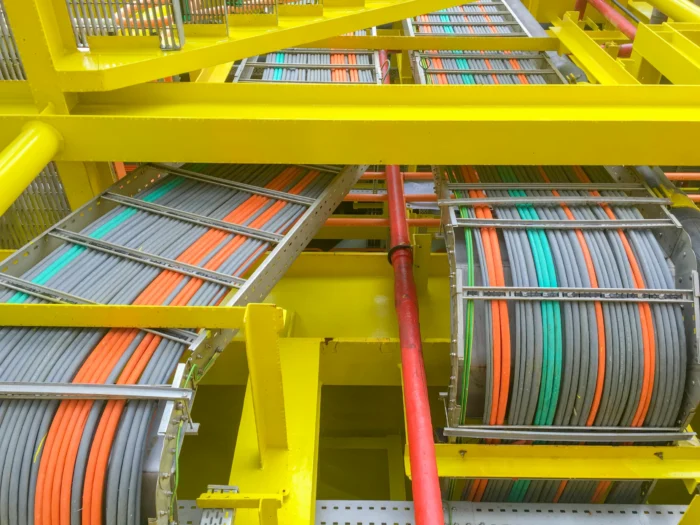
Structured cabling forms the backbone of any data center. It organizes and routes data efficiently throughout the facility. Well-designed cabling reduces the risk of signal interference and supports faster troubleshooting.
Compliance standards often require documentation of physical infrastructure. Therefore, structured cabling must be labeled, mapped, and maintained with care. A disorganized cabling system can raise red flags during an inspection.
Instrata’s team designs cabling systems that meet both performance and documentation standards. This approach ensures that Arizona facilities can demonstrate infrastructure integrity during any compliance review. Proper cabling also supports future scalability as business needs grow.
IP Security and Access Control Integration
IP security systems work alongside data center infrastructure to enforce physical compliance requirements. These systems include surveillance cameras, electronic access controls, and intrusion detection tools.
Meanwhile, integrating IP security with data center management systems creates a unified compliance environment. For example, access logs from IP security systems can be automatically recorded and stored within the data center’s documentation platform. This simplifies the audit process significantly.
Arizona facilities that handle sensitive data must demonstrate that unauthorized access is prevented. IP security infrastructure provides that proof. Additionally, real-time alerts allow security teams to respond quickly to potential breaches, further supporting compliance obligations.
Power and Utility Infrastructure for Continuous Uptime
Compliance frameworks in many industries require facilities to maintain high availability. Downtime is not just an operational problem — it can also trigger compliance violations. Because of this, power infrastructure is a critical component of any compliance-ready data center.
Redundant power systems, including uninterruptible power supplies and backup generators, keep data centers running during outages. Arizona’s climate can put stress on electrical systems, especially during peak summer months. Therefore, robust utility construction and power management are essential for facilities in the region.
Instrata’s electricity and utility construction services support data center environments built for long-term reliability. As a result, Arizona organizations can maintain the uptime standards required by their specific compliance frameworks without compromise.
Managed Services Keep Compliance Ongoing
Achieving compliance is not a one-time event. Regulations evolve, and facilities must continuously monitor and update their systems to stay current. Managed services provide the ongoing oversight needed to maintain a compliant environment.
With managed services, organizations receive proactive monitoring, regular maintenance, and timely updates. This reduces the risk of unexpected failures that could lead to compliance gaps. Additionally, managed service providers maintain documentation that supports future audits.
Instrata offers managed services designed specifically for technology-intensive environments like data centers. These services help Arizona businesses stay ahead of regulatory changes while focusing on their core operations. Furthermore, having a dedicated technology partner strengthens an organization’s overall compliance posture through consistent, expert-level support and digital marketing awareness for their compliance credentials.
Audio Visual and Communication Systems in Compliant Facilities
Audio visual systems are increasingly part of modern compliance-ready facilities. Conference rooms, control centers, and security monitoring stations all depend on reliable AV infrastructure. These systems must integrate seamlessly with the broader technology environment.
In Arizona data centers, AV solutions support real-time communication during incident response and compliance reviews. For example, video conferencing systems allow remote auditors to conduct virtual inspections. Therefore, AV infrastructure must meet the same reliability and security standards as the rest of the facility.
Instrata designs and installs AV systems that align with enterprise-grade compliance requirements. This ensures that communication tools do not become a vulnerability in an otherwise secure facility. In addition, proper AV integration enhances operational efficiency across the facility.
Frequently Asked Questions
What types of compliance frameworks do Arizona data centers typically need to meet?
Arizona data centers often need to meet frameworks such as HIPAA, PCI-DSS, SOC 2, and NIST guidelines. The specific requirements depend on the industry and type of data being handled. Healthcare, financial services, and government organizations face the most rigorous standards.
How do data centers help with physical security compliance?
Data centers use controlled access systems, surveillance cameras, and environmental monitoring to meet physical security requirements. These measures are documented and auditable. As a result, organizations can demonstrate compliance during formal reviews and inspections.
Why is structured cabling important for compliance in a data center?
Structured cabling ensures that data flows reliably and that infrastructure is documented and traceable. Compliance standards often require proof of organized and maintained physical infrastructure. Therefore, proper cabling design directly supports audit readiness.
Can managed services help maintain ongoing compliance in Arizona facilities?
Yes, managed services provide continuous monitoring, maintenance, and documentation updates. This ongoing support helps organizations stay current with changing regulations. Additionally, managed service providers can identify and address compliance gaps before they become serious issues.
What role does power infrastructure play in data center compliance?
Power infrastructure supports the high availability requirements found in many compliance frameworks. Redundant systems and backup generators prevent downtime that could violate uptime obligations. Because of this, reliable power design is a foundational element of any compliance-ready data center.
Disclaimer
This article is for educational purposes only and is not a substitute for professional medical advice, diagnosis, or treatment. If you are experiencing a mental health emergency, call or text 988 for immediate support.
Building a compliance-ready facility in Arizona requires thoughtful planning and expert execution. Data centers serve as the foundation for meeting regulatory standards across industries. From structured cabling to managed services, every component plays a role in creating an environment that is secure, auditable, and built for long-term success. Partnering with the right technology provider ensures that your data centers infrastructure remains aligned with both your business goals and compliance obligations.
Ready to upgrade your technology infrastructure? Contact Instrata today to schedule a consultation and discover reliable, innovative, and scalable technology solutions tailored to your business needs.