

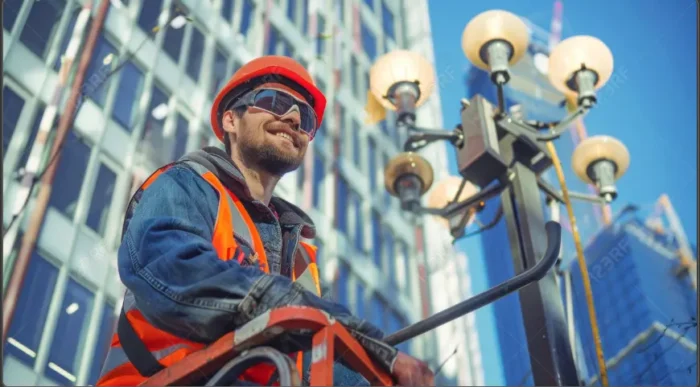
When Arizona Facilities Should Refresh Their IP Security Systems
Keeping a facility safe in Arizona requires more than just installing cameras and calling it done. Your ip security system needs regular evaluation to stay effective. As threats evolve and technology advances, outdated systems can leave gaps that put people and property at risk.
Instrata works with residential, commercial, and enterprise clients across Arizona to design, install, and refresh modern IP security infrastructure. Understanding when it is time to upgrade is one of the most important decisions a facility manager can make.
Quick Answer: When Should You Refresh Your IP Security System?
Most facilities should evaluate their ip security systems every three to five years. However, certain warning signs or major operational changes can trigger the need for an earlier refresh. If your system is lagging, outdated, or failing to cover new areas, it is time to act now.
What Is an IP Security System and Why Does It Matter?
An IP security system uses internet protocol technology to transmit data from cameras, sensors, and access points to a central network. This approach offers higher image resolution, remote access, and greater scalability than older analog systems.
Because of this, more Arizona facilities are moving toward IP-based infrastructure. The shift allows security teams to monitor activity in real time. Additionally, it enables integration with other building systems like access control and alarm management.
Modern ip security platforms also support cloud storage and AI-powered analytics. Therefore, they deliver significantly more value than legacy closed-circuit systems. Facilities that delay upgrades often miss these critical capabilities.
Top Signs Your Arizona Facility Needs an IP Security Refresh
Several clear warning signs indicate your system is overdue for an upgrade. Recognizing them early helps you avoid security vulnerabilities and unnecessary repair costs.
- Blurry or low-resolution footage: If your cameras cannot capture usable images, they fail their core purpose.
- Frequent system crashes or downtime: Reliability is non-negotiable in any security environment.
- No remote viewing capability: Modern systems allow secure access from any device, anywhere.
- Limited camera coverage: Blind spots are one of the most common vulnerabilities in aging systems.
- Incompatible hardware or software: Older components often cannot integrate with newer security tools.
- Slow response from security alerts: Delayed notifications reduce the effectiveness of your entire system.
Additionally, if your current system lacks cybersecurity protections, it may be exposed to network intrusions. As a result, your physical and digital security could both be compromised at once.
How Arizona’s Climate Affects IP Security Hardware
Arizona’s extreme heat creates unique challenges for electronic equipment. Temperatures regularly exceed 110 degrees Fahrenheit during summer months. This heat accelerates wear on cameras, cabling, and networking components.
Furthermore, dust storms — known locally as haboobs — clog vents and coat lenses with fine particulate matter. Over time, this reduces camera clarity and causes hardware failures. Therefore, Arizona facilities often face faster equipment degradation than those in milder climates.
Because of this, security system lifecycles in Arizona can be shorter than the national average. Facility managers should factor climate into their refresh planning. Routine inspections twice a year are strongly recommended in the desert Southwest.
Choosing weatherproof, high-temperature-rated cameras and enclosures is essential. In addition, structured cabling that withstands thermal expansion protects the network backbone of your ip security system. Proper installation makes a significant difference in long-term performance.
Life Events and Facility Changes That Trigger a Refresh
Sometimes a refresh is not about age at all. It is about change. Certain operational shifts demand a full security reassessment.
For example, expanding your building footprint creates new blind spots that your current camera layout cannot cover. Similarly, adding a new entry point, parking area, or loading dock changes your threat exposure entirely. These updates require a system redesign, not just a patch.
Meanwhile, changes in staffing or business operations also affect security needs. A facility that previously operated during standard hours may now run 24/7. As a result, monitoring requirements, alert thresholds, and access control rules all need updating.
Mergers, acquisitions, and tenant changes in commercial properties also create refresh opportunities. In addition, compliance requirements from insurers or local regulators may mandate specific system standards. Staying ahead of these triggers reduces your liability and protects your investment.
Instrata helps Arizona clients assess these changes and develop a refresh strategy that fits their timeline and budget. A well-planned upgrade avoids costly emergency replacements down the road. Finally, it ensures continuous protection during any transition period.
The Role of Cybersecurity in Modern IP Security Systems
IP-based systems connect to your network, which means they carry cybersecurity risks. Outdated firmware, default passwords, and unpatched software create entry points for attackers. Therefore, cybersecurity must be part of every ip security refresh conversation.
Modern systems include encrypted video transmission and secure authentication protocols. However, these protections only work when hardware and software stay current. A five-year-old camera running outdated firmware is a liability, not an asset.
Network segmentation is another critical layer. It isolates security devices from other business systems. As a result, even if another part of your network is compromised, your cameras and access controls remain protected.
Working with experienced digital marketing and technology partners can also help facilities communicate their security posture to tenants, stakeholders, and clients. Trust is built through transparency. Additionally, documenting your system upgrades demonstrates due diligence to insurers and regulators.
How Often Should Arizona Facilities Schedule a Full IP Security Audit?
A full audit should happen at least once every two years for most commercial and enterprise facilities. However, high-traffic or high-risk environments may need annual reviews. Residential communities with shared amenities also benefit from regular evaluations.
During an audit, a qualified technician examines camera placement, network health, firmware versions, and recording retention policies. They also test alert response times and review access control logs. Because of this, audits catch problems before they become failures.
Furthermore, an audit creates a documented baseline. This baseline helps you track system performance over time. Therefore, future upgrade decisions become easier to justify and budget for accurately.
Instrata provides comprehensive ip security audits across Arizona. Our team identifies gaps, recommends improvements, and delivers a clear action plan. In addition, we handle everything from structured cabling to camera configuration and network integration.
Frequently Asked Questions
How long do IP security cameras typically last in Arizona?
Most IP cameras last five to seven years under normal conditions. However, Arizona’s extreme heat and dust can shorten that lifespan to three to five years. Regular maintenance and protective enclosures help extend equipment life significantly.
Can I upgrade part of my system without replacing everything?
Yes, phased upgrades are a common and cost-effective approach. However, older components must still communicate with newer ones. Therefore, it is important to assess compatibility before mixing generations of equipment.
What resolution should modern IP security cameras have?
Most modern installations use 4K or at minimum 1080p resolution cameras. Higher resolution improves facial recognition and license plate capture. Additionally, it provides more detail for post-incident review and legal documentation.
Is cloud storage safe for IP security footage?
Cloud storage can be very secure when configured correctly. It requires encrypted connections, strong access controls, and compliance with data retention policies. Additionally, cloud backup protects footage even if on-site hardware is damaged or stolen.
How do I know if my current system has cybersecurity vulnerabilities?
A professional security audit can identify firmware gaps, default credentials, and unsecured network ports. Because of this, scheduling a regular audit is the most reliable way to stay protected. Instrata can assess your current system and recommend targeted improvements.
Disclaimer
This article is for educational purposes only and is not a substitute for professional medical advice, diagnosis, or treatment. If you are experiencing a mental health emergency, call or text 988 for immediate support.
If your Arizona facility is showing any of the warning signs discussed above, now is the right time to evaluate your ip security infrastructure. A proactive refresh protects your people, your assets, and your operations before problems arise. Contact Instrata today to get started with a professional assessment.
Ready to upgrade your technology infrastructure? Contact Instrata today to schedule a consultation and discover reliable, innovative, and scalable technology solutions tailored to your business needs.