

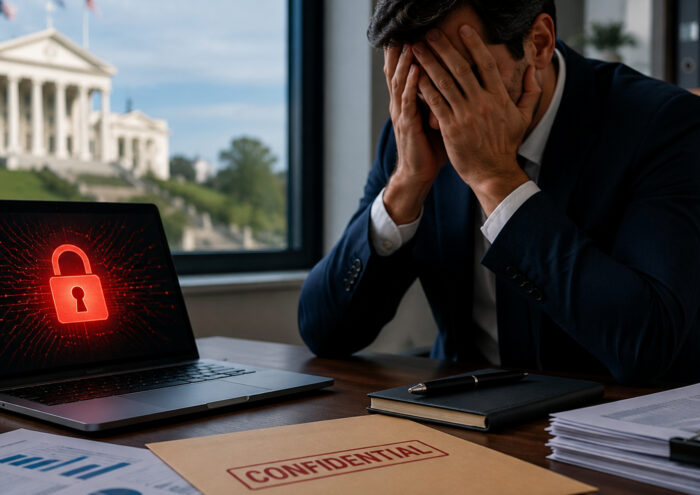
Virginia businesses depend on secure, reliable, and connected systems to protect people, property, data, and daily operations. From government contractors in Northern Virginia and enterprise offices in Arlington to healthcare facilities in Richmond, logistics operations near Norfolk, data-driven organizations in Loudoun County, and commercial properties across Virginia Beach and Roanoke, security failures can create serious operational and financial consequences.
That is why strong IP Security matters.
Modern IP Security systems connect surveillance cameras, access control devices, intercoms, alarms, sensors, and monitoring platforms through a company’s broader IT Infrastructure. However, when these systems are poorly planned, outdated, or unsupported, businesses may face security gaps, downtime, data exposure, compliance issues, and higher long-term costs.
When supported by professional Structured Cabling, reliable Radio Frequency, proactive Managed Services, secure Data Centers, coordinated Electricity/Utility Construction, and integrated Audio Visual Services and Solutions, IP Security becomes a powerful foundation for business continuity.
Why Poor IP Security Is a Serious Business Risk
Security is no longer just about cameras on a wall. Today, businesses need connected systems that provide visibility, control, alerts, access management, and reliable monitoring.
However, poor IP Security can leave organizations exposed. A camera may go offline without anyone noticing. An access control system may fail during a busy workday. Video footage may be missing when it is needed most. As a result, businesses may struggle to respond quickly during incidents.
For example, a government contractor in Fairfax may need strict control over secure work areas. Meanwhile, a healthcare facility in Richmond may need reliable monitoring for patient-facing spaces, entrances, and sensitive departments. Similarly, a logistics operation near Norfolk may require camera coverage across loading docks, parking areas, and inventory zones.
Without dependable IP Security, these environments can become harder to protect.
Risk 1: Security Blind Spots
One of the most common risks of poor IP Security is limited visibility. If cameras are poorly placed, outdated, or disconnected, businesses may have blind spots in critical areas.
Security blind spots can affect:
- Entrances and exits
- Parking lots
- Loading docks
- Reception areas
- Server rooms
- Storage zones
- Restricted workspaces
- Outdoor yards
- Multi-building campuses
Because these areas often involve employee safety, visitor access, inventory, equipment, or sensitive information, missing coverage can create major risk. Therefore, IP Security systems should be designed around the facility layout, daily operations, and high-risk areas.
Risk 2: Unauthorized Access
Access control is a key part of modern IP Security. When access systems are outdated or poorly managed, unauthorized individuals may enter restricted areas more easily.
This can put sensitive spaces at risk, including executive offices, Data Centers, server rooms, records areas, labs, and equipment rooms. In addition, weak access control can make it harder to track who entered a space and when.
A Virginia business may need different permissions for employees, vendors, visitors, contractors, and security staff. Without proper access management, permissions can become inconsistent or outdated. Consequently, the organization loses control over sensitive areas that require ongoing vigilance.
Risk 3: Data and System Exposure
Poor IP Security can also affect sensitive data. Many businesses focus on cybersecurity software, but physical access to technology spaces is just as important.
If someone gains access to network cabinets, servers, switches, storage devices, or security equipment, digital systems may become vulnerable. This is especially important for government contractors, healthcare providers, financial offices, legal organizations, and data-driven businesses throughout Virginia.
Strong IP Security helps protect both physical spaces and digital assets. Additionally, when IP Security is integrated with IT Infrastructure and Data Centers, businesses gain better control over access, monitoring, storage, and response.
Risk 4: Unreliable Security Footage
Security footage is only useful if it is clear, accessible, and properly stored. Poor IP Security systems may produce blurry video, inconsistent recordings, missing footage, or slow playback.
This can create problems during investigations, insurance claims, employee incidents, or compliance reviews. For instance, a commercial property in Virginia Beach may need footage after a parking lot incident. Likewise, a logistics facility near Norfolk may need video records for inventory or loading dock activity.
If the system fails to capture or store important footage, the business may have limited evidence when it matters most.
Risk 5: Weak IT Infrastructure Performance
Modern IP Security depends on strong IT Infrastructure. Cameras, access control panels, servers, switches, storage systems, firewalls, and monitoring platforms all need reliable connectivity.
If infrastructure is outdated or overloaded, security systems may experience:
- Delayed camera feeds
- Dropped video streams
- Slow access control response
- Limited storage capacity
- Unreliable remote monitoring
- Device connectivity issues
- Longer troubleshooting times
Therefore, IP Security should never be installed without evaluating the broader network environment. A strong infrastructure strategy helps security systems perform consistently during routine operations and urgent situations.
Risk 6: Poor Structured Cabling
Although IP Security is network-based, it still relies on professional Structured Cabling. Cabling connects cameras, access control devices, intercoms, switches, servers, and monitoring stations.
Poor cabling can cause dropped connections, inconsistent video, messy equipment rooms, and difficult troubleshooting. In contrast, professional Structured Cabling creates a clean, organized, and scalable foundation for reliable security.
Structured Cabling Supports IP Security By:
- Improving camera reliability
- Supporting stable video transmission
- Reducing troubleshooting time
- Organizing network equipment
- Supporting future expansion
- Improving system documentation
- Strengthening long-term IT Infrastructure
For Virginia businesses planning renovations, new construction, or security upgrades, cabling should be included early in the project.
Risk 7: Limited Wireless Security Coverage
Some areas are difficult or expensive to wire. Parking lots, remote gates, outdoor storage yards, temporary job sites, and multi-building campuses may require wireless or hybrid connectivity.
That is where Radio Frequency planning becomes important. However, poor RF design can create weak signals, interference, dropped connections, and unreliable security devices.
With professional Radio Frequency planning, businesses can extend IP Security coverage while maintaining stronger performance. This is especially valuable for warehouses, construction sites, commercial campuses, industrial facilities, and outdoor security zones across Virginia.
Risk 8: Higher Costs from Reactive Maintenance
When IP Security systems are not maintained proactively, small problems can become expensive failures. A camera may stop recording. An access control panel may malfunction. Storage may fill unexpectedly. Firmware may become outdated.
Without Managed Services, businesses may not discover these problems until after security coverage has already been affected.
Managed Services can support:
- Camera health checks
- Access control troubleshooting
- Firmware and software updates
- Network performance reviews
- Storage and retention planning
- User access management
- Preventive maintenance
- Upgrade planning
As a result, Virginia businesses can reduce downtime, avoid emergency repairs, and maintain stronger protection over time.
Risk 9: Weak Data Center and Storage Planning
Data Centers and server rooms often support video management systems, access logs, backups, monitoring platforms, and security applications. If these environments are poorly managed, IP Security performance may suffer.
Businesses may face limited recording retention, slow footage retrieval, storage failures, or poor backup planning. Therefore, Data Centers should be designed with security storage, redundancy, physical access control, and future growth in mind.
Risk 10: Poor Communication During Incidents
Security events require clear communication. Audio Visual Services and Solutions can support video walls, emergency displays, intercoms, paging systems, and command center technology.
If AV systems are not integrated with IP Security, teams may respond more slowly during incidents. However, when security and communication tools work together, organizations can improve awareness, coordination, and response times.
Why Virginia Organizations Choose Instrata
Instrata provides professional technology services for commercial, enterprise, industrial, and residential clients throughout Virginia, as well as Arizona, North Carolina, South Carolina, New Jersey, New York, Pennsylvania, and Maryland.
Organizations choose Instrata for:
- IP Security
- Structured Cabling
- Radio Frequency solutions
- IT Infrastructure upgrades
- Electricity/Utility Construction
- Managed Services
- Data Centers support
- Audio Visual Services and Solutions
- Scalable Technologies for growing businesses
Whether supporting an IP Security upgrade in Fairfax, a Structured Cabling project in Richmond, a data center improvement in Loudoun County, or a wireless security expansion near Norfolk, Instrata delivers fast, professional, and reliable technology solutions.
Protect Your Business with Reliable IP Security
Poor IP Security can expose Virginia businesses to blind spots, unauthorized access, data risks, unreliable footage, downtime, and higher costs. When IP Security is supported by Structured Cabling, Radio Frequency, Managed Services, Data Centers, Electricity/Utility Construction, Audio Visual Services and Solutions, and strong IT Infrastructure, businesses gain a safer and more resilient foundation.