

Where Structured Cabling Fits Into Compliance-Ready Facilities in New Jersey
Facilities across New Jersey face increasing pressure to meet strict regulatory and industry compliance standards. Structured cabling plays a central role in helping these facilities build infrastructure that supports both daily operations and long-term compliance goals. From healthcare campuses to financial institutions, the right cabling foundation keeps networks reliable, auditable, and inspection-ready.
Instrata works with commercial and enterprise clients throughout New Jersey to design and install cabling systems that meet compliance requirements. Understanding where structured cabling fits within a compliance framework helps facility managers make smarter infrastructure decisions. This article breaks down the key connections between cabling design and regulatory readiness.
What Is Structured Cabling and Why Does Compliance Depend on It?
Structured cabling is a standardized approach to building a facility’s telecommunications and data network infrastructure. It organizes cables, connectors, and hardware into a unified system that supports voice, data, video, and security.
Compliance-ready facilities require documented, organized, and testable infrastructure. Because structured cabling follows recognized industry standards, it gives auditors and inspectors a clear, verifiable record of how a facility’s network is built. This documentation matters enormously during regulatory reviews.
Key Compliance Standards That Structured Cabling Must Support
Several major standards guide how structured cabling systems must be designed and installed. Facilities in New Jersey must often align with more than one of these frameworks at the same time.
- TIA-568: This standard defines how commercial cabling systems should be structured, labeled, and tested.
- ANSI/BICSI standards: These cover installation best practices and technician qualifications.
- NEC (National Electrical Code): This code governs how cables are routed, protected, and rated for fire safety.
- HIPAA: Healthcare facilities must protect patient data, which requires secure and segmented network cabling.
- PCI DSS: Financial and retail facilities processing card payments must isolate cardholder data environments through proper network design.
Additionally, New Jersey state-level building codes add another layer of requirements. Therefore, a compliant cabling system must be designed with all applicable standards in mind from the very beginning.
How Structured Cabling Supports HIPAA-Compliant Healthcare Facilities
Healthcare facilities in New Jersey handle sensitive patient data every day. Structured cabling helps protect that data by enabling proper network segmentation and physical access controls.
A well-designed cabling system separates clinical networks from guest networks and administrative systems. This separation reduces the risk of unauthorized data access. Furthermore, labeled and documented cabling paths allow IT teams to trace and audit every network connection quickly.
Healthcare facilities also rely on cabling infrastructure to support medical devices, nurse call systems, and electronic health record platforms. Because these systems must remain operational at all times, high-quality structured cabling reduces downtime and improves reliability. As a result, healthcare providers can meet HIPAA’s technical safeguard requirements more effectively.
Structured Cabling and Physical Security Compliance in Commercial Buildings
Physical security systems depend heavily on the underlying cabling infrastructure. IP cameras, access control panels, intercoms, and alarm systems all require reliable, organized cabling to function properly.
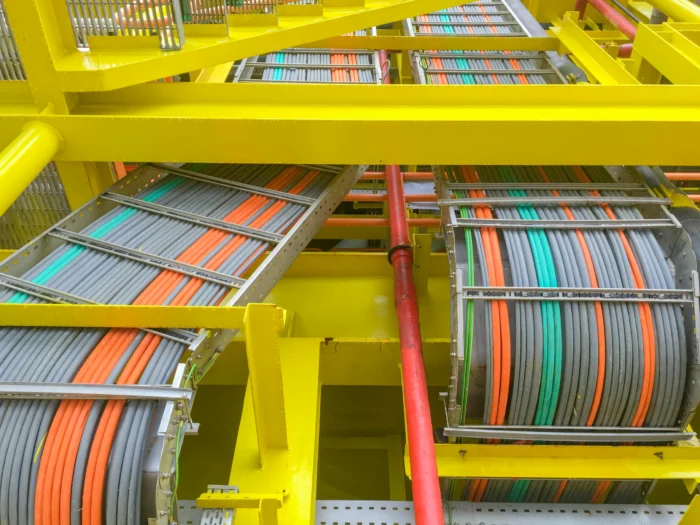
In New Jersey, many commercial buildings must comply with local fire marshal requirements and building security ordinances. Structured cabling systems support these requirements by providing clearly routed, fire-rated cable pathways. Moreover, organized cable management makes it easier to inspect and service security hardware during compliance audits.
Facilities that use structured cabling for their security systems also benefit from scalability. For example, adding new cameras or access points becomes straightforward when the existing cabling infrastructure follows a documented, standards-based design. This flexibility helps buildings adapt quickly to evolving security compliance mandates. Working with experienced digital marketing and technology partners can also help facilities communicate these upgrades effectively to stakeholders.
Data Centers and Structured Cabling Compliance in New Jersey
Data centers operate under some of the most rigorous compliance requirements of any facility type. Structured cabling is the backbone of every compliant data center environment.
Standards like TIA-942 define how data center cabling should be designed, installed, and managed. These standards address everything from cable routing and redundancy to labeling and documentation. New Jersey data centers that follow these guidelines can achieve Tier certifications, which demonstrate reliability and compliance to clients and auditors.
Proper cable management inside data centers also reduces human error during maintenance. Because clearly labeled cable pathways prevent accidental disconnections, network uptime improves significantly. In addition, organized cabling allows for faster disaster recovery when disruptions do occur.
Why Documentation and Labeling Are Critical for Compliance Audits
Auditors do not just inspect equipment. They also review documentation to verify that a facility’s infrastructure meets the required standards. Structured cabling systems generate a clear paper trail that supports this process.
Every cable run, patch panel port, and termination point should be labeled and recorded in an as-built document. This documentation allows facility managers to demonstrate compliance quickly and confidently. Therefore, investing in thorough documentation during the installation phase saves significant time and cost during audits.
Additionally, regular testing and certification of cabling runs provide performance records that auditors often require. Certified cabling test results show that each cable meets or exceeds the performance specifications required by applicable standards. This evidence strengthens a facility’s compliance posture considerably.
Choosing the Right Structured Cabling Partner for Compliance-Ready Projects in New Jersey
Not every cabling installer understands the compliance landscape for regulated industries. Choosing a qualified partner makes a significant difference in the outcome of a compliance-ready installation.
A qualified partner brings knowledge of TIA, BICSI, NEC, and industry-specific standards. They design systems that anticipate future regulatory changes, not just current requirements. Furthermore, they provide complete documentation, test reports, and as-built drawings that support ongoing compliance efforts.
Instrata serves New Jersey clients across healthcare, financial, commercial, and enterprise sectors. The team designs structured cabling systems that align with compliance requirements from the planning stage forward. Because of this, clients avoid costly retrofits and compliance gaps after installation is complete.
Frequently Asked Questions
What types of New Jersey facilities most commonly need compliance-focused structured cabling?
Healthcare facilities, financial institutions, data centers, government buildings, and educational campuses most commonly require compliance-focused structured cabling. These sectors handle sensitive data and critical operations that demand reliable, auditable infrastructure. However, any commercial facility subject to industry regulations can benefit from a standards-based cabling design.
How does structured cabling help with fire code compliance in New Jersey?
Structured cabling systems use fire-rated cables and conduit pathways that meet National Electrical Code requirements. Proper cable routing through fire-rated walls and ceilings prevents cables from becoming a fire hazard. Therefore, compliant cabling design directly supports fire safety inspections and code adherence.
Can structured cabling support both wired and wireless compliance requirements?
Yes. Structured cabling provides the backbone for wireless access points, which require wired connections to function reliably. A well-designed cabling system ensures that wireless coverage meets regulatory performance requirements. Additionally, it supports the network segmentation needed for compliance in regulated environments.
How often should compliance-ready cabling systems be tested and recertified?
Most industry standards recommend testing cabling systems after initial installation and after any significant modifications. Some regulatory frameworks require periodic recertification to verify ongoing performance. As a result, facility managers should schedule regular cabling assessments as part of their compliance maintenance plan.
What documentation should a compliance-ready structured cabling installation include?
A compliance-ready installation should include as-built drawings, cable test reports, labeling records, and warranty documentation. These records allow auditors to verify that the system meets all applicable standards. Furthermore, keeping documentation current through every change or upgrade protects the facility during future inspections.
Disclaimer
This article is for educational purposes only and is not a substitute for professional medical advice, diagnosis, or treatment. If you are experiencing a mental health emergency, call or text 988 for immediate support.
Ready to upgrade your technology infrastructure? Contact Instrata today to schedule a consultation and discover reliable, innovative, and scalable technology solutions tailored to your business needs.