

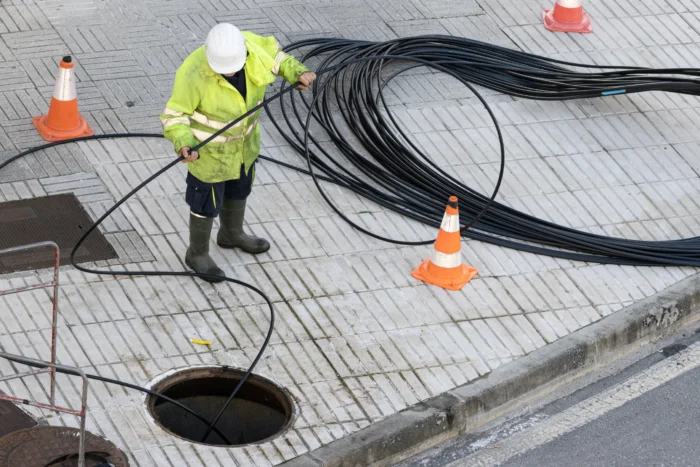
What South Carolina Businesses Should Audit Before Upgrading Electricity/Utility Construction
Planning a utility construction upgrade is a major decision for any South Carolina business. Before breaking ground or rewiring a single panel, a thorough audit can save time, money, and serious risk. Instrata helps businesses across South Carolina assess their current infrastructure before committing to any upgrade.
Many business owners assume their systems are ready for expansion. However, hidden inefficiencies and outdated components can cause costly delays. Therefore, a structured audit is not just helpful — it is essential.
Quick Answer: What Should You Audit Before a Utility Construction Upgrade?
Before any utility construction upgrade, you should audit your electrical panels, load capacity, grounding systems, conduit condition, compliance status, and energy usage data. This process helps identify gaps and prevents expensive rework after the project begins.
Why a Pre-Upgrade Audit Matters for South Carolina Businesses
A pre-upgrade audit gives your team a clear picture of what exists today. Without this baseline, contractors may work from incomplete or outdated information.
South Carolina has specific building and electrical codes that all commercial projects must follow. Additionally, local utility providers in cities like Columbia, Charleston, and Greenville may have their own interconnection requirements. Because of this, skipping the audit phase often leads to failed inspections and project restarts.
An audit also protects your investment. For example, upgrading service capacity without knowing your current load can result in oversized or undersized infrastructure. As a result, the project may need to be redone at additional cost.
Step 1: Evaluate Your Existing Electrical Panels and Service Entry
Start by reviewing every electrical panel in your facility. Look for signs of age, overloading, or outdated breaker technology.
Many older South Carolina commercial buildings still use Federal Pacific or Zinsco panels. These brands are known for reliability issues and may not support modern loads. Therefore, they should be flagged immediately for replacement during any utility construction upgrade.
Check the service entry point as well. Confirm that the incoming amperage rating matches your current and projected power needs. In addition, verify that weatherheads, meter sockets, and service conductors meet current National Electrical Code standards.
Step 2: Assess Load Capacity and Future Power Demand
Load capacity is one of the most critical factors in any utility construction project. Your current demand may be well within limits, but your future needs could exceed them quickly.
Review your peak demand data from utility bills over the past 12 to 24 months. This reveals usage patterns and growth trends. Meanwhile, consider planned equipment additions, EV charging stations, or HVAC upgrades that will increase your load.
Work with a licensed engineer to perform a load calculation. This calculation determines whether your current infrastructure can support the upgrade. Furthermore, it guides decisions about transformer sizing, feeder sizing, and distribution panel placement.
Step 3: Inspect Grounding, Bonding, and Protection Systems
Grounding and bonding systems are often overlooked during pre-upgrade planning. However, they are critical for safety and equipment protection.
Inspect all grounding electrodes, ground rods, and bonding conductors throughout the facility. Look for corrosion, loose connections, or missing components. Because of this inspection, you may discover gaps that could cause equipment damage or personnel hazards during and after construction.
Also review your surge protection and lightning protection systems. South Carolina experiences significant thunderstorm activity. As a result, proper grounding and surge protection are especially important for businesses operating sensitive IT infrastructure or data center equipment.
Step 4: Review Conduit, Wiring, and Distribution Infrastructure
The physical condition of your conduit and wiring tells a detailed story about system health. Walk through mechanical rooms, electrical closets, and cable pathways carefully.
Look for damaged conduit, improperly supported wiring, or junction boxes that have been buried or sealed incorrectly. Additionally, check for aluminum wiring in older buildings, which requires special termination methods and may pose compatibility issues with modern equipment.
During this phase, also map out your distribution infrastructure. Identify where feeders run, how panels are interconnected, and where capacity constraints exist. This mapping directly supports the design phase of your utility construction upgrade and helps contractors work more efficiently.
Businesses that document their infrastructure well also benefit from stronger digital marketing when showcasing their facility capabilities to clients and partners online.
Step 5: Confirm Code Compliance and Permit Requirements
South Carolina follows the National Electrical Code with state amendments. Your current installation may not meet the most recent adopted version. Therefore, a code compliance audit is essential before any upgrade begins.
Work with your local Authority Having Jurisdiction to understand permit requirements. In many South Carolina counties and municipalities, utility construction projects require both electrical permits and utility coordination permits. Because of this, starting work without proper permits can result in stop-work orders and fines.
Additionally, review any requirements from your utility provider — such as Dominion Energy South Carolina or Duke Energy. These providers have specific requirements for service upgrades, metering, and interconnection. Finally, confirm that your project team is familiar with all applicable standards before submitting permit applications.
Step 6: Audit Energy Usage and Efficiency Opportunities
A utility construction upgrade is an ideal time to address energy efficiency. However, this requires data — and that data must be gathered during the audit phase.
Pull 24 months of energy usage records from your utility provider. Analyze trends by season, day of week, and time of day. As a result, you can identify waste and prioritize efficiency improvements alongside your upgrade.
Consider lighting systems, HVAC controls, and motor efficiency as part of this review. For example, switching to LED lighting and variable frequency drives on motors can significantly reduce load. This, in turn, may allow you to right-size your utility construction project and reduce overall project costs.
Step 7: Coordinate with IT Infrastructure and Technology Teams
Utility upgrades do not happen in isolation. They directly impact IT infrastructure, structured cabling systems, and technology solutions throughout your facility.
Before finalizing your upgrade plan, coordinate with your technology and IT teams. Confirm that power distribution aligns with server room requirements, UPS systems, and network equipment locations. Additionally, ensure that generator connections and automatic transfer switches are sized correctly for critical loads.
If your business runs managed services or operates a data center environment, power reliability is paramount. Therefore, your audit should include a review of redundant power pathways and backup systems. In addition, confirm that grounding meets the requirements of your IT equipment manufacturers to prevent equipment damage and voided warranties.
Frequently Asked Questions
How long does a pre-upgrade utility construction audit take?
The duration depends on the size and complexity of your facility. For most commercial South Carolina businesses, a thorough audit takes between one and three days. Larger facilities or those with complex distribution systems may require more time.
Who should perform the audit?
A licensed electrical engineer or master electrician should lead the audit. Additionally, your utility provider representative and a technology infrastructure specialist should be involved. This team approach ensures all systems are reviewed together, not in isolation.
What documents should I gather before the audit?
Gather as-built electrical drawings, previous inspection reports, utility bills, equipment schedules, and any prior permit records. These documents give the audit team a head start and reduce time spent in the field tracing unknown systems.
Is an audit required before a utility construction upgrade in South Carolina?
While a formal audit is not always legally required, most permitting authorities and utility providers expect accurate load data and as-built documentation before approving upgrades. Therefore, conducting an audit is strongly recommended to avoid delays and ensure a smooth approval process.
Can an audit help reduce the cost of a utility construction upgrade?
Yes, absolutely. An audit often reveals inefficiencies and existing infrastructure that can be reused or upgraded rather than replaced. As a result, a well-planned audit typically reduces total project costs and shortens construction timelines significantly.
Disclaimer
This article is for educational purposes only and is not a substitute for professional medical advice, diagnosis, or treatment. If you are experiencing a mental health emergency, call or text 988 for immediate support.
South Carolina businesses that invest in a proper pre-upgrade audit are better prepared for every phase of their utility construction project. Auditing before upgrading prevents costly surprises, keeps projects on schedule, and ensures compliance with state and local codes. Contact Instrata today to schedule a professional infrastructure audit and start your upgrade the right way.
Ready to upgrade your technology infrastructure? Contact Instrata today to schedule a consultation and discover reliable, innovative, and scalable technology solutions tailored to your business needs.