

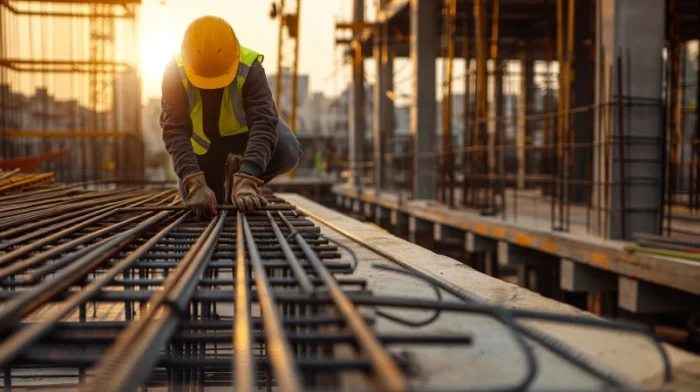
Why Scalable Electricity/Utility Construction Matters for Growing Teams in South Carolina
South Carolina is growing fast. Businesses are expanding, new teams are forming, and demand for reliable power infrastructure is rising. Utility construction plays a critical role in supporting this growth. Without a scalable foundation, expanding businesses face costly delays and dangerous gaps in power reliability.
Instrata understands the unique challenges that growing teams face across South Carolina. From small commercial builds to large enterprise campuses, the right electrical and utility infrastructure makes every operation possible. Planning that infrastructure to scale is not optional — it is essential.
What Is Scalable Utility Construction and Why Does It Matter?
Scalable utility construction means building electrical and power systems that grow alongside your organization. It avoids the need for full replacements every time your team expands. Instead, it creates a flexible foundation that adapts to increasing demands over time.
This approach saves money in the long run. Additionally, it reduces downtime during upgrades. Because of this, businesses can continue operating without major interruptions as they scale.
South Carolina’s Business Growth Is Driving Utility Construction Demand
South Carolina has seen significant economic development in recent years. Major industries like manufacturing, healthcare, logistics, and technology are all expanding across the state. Therefore, the demand for robust electrical infrastructure has never been higher.
Cities like Columbia, Greenville, Charleston, and Spartanburg are seeing rapid commercial development. Meanwhile, smaller municipalities are also attracting new employers. Each of these locations requires dependable power systems built to handle future growth.
Businesses that invest early in scalable systems gain a competitive edge. In contrast, those that delay infrastructure planning often face expensive retrofits. A well-designed utility construction plan sets the stage for long-term success.
Key Benefits of Scalable Utility Construction for Expanding Teams
Scalable utility construction delivers a wide range of advantages for businesses that are growing. These benefits go beyond simple power delivery. They directly support workforce productivity, operational efficiency, and long-term cost management.
- Reduced downtime: Systems designed to scale handle increased loads without frequent outages.
- Lower long-term costs: Scalable infrastructure avoids expensive overhauls as headcount grows.
- Faster expansion readiness: Pre-planned systems allow teams to move into new spaces quickly.
- Improved safety: Properly engineered utility systems reduce the risk of electrical failures.
- Code compliance: Scalable builds follow local and national codes from the start, avoiding penalties later.
Additionally, scalable systems integrate smoothly with other technologies. For example, modern IT infrastructure, data centers, and audio visual solutions all depend on stable and sufficient power. Building that power foundation correctly from the beginning supports every other system in your facility.
How Utility Construction Supports IT Infrastructure and Technology Growth
Technology teams rely entirely on consistent power. Servers, networking equipment, security systems, and structured cabling all require clean and reliable electricity. Therefore, utility construction directly impacts your technology performance.
When power systems are designed with scalability in mind, IT teams can add new equipment without worrying about overloaded circuits. In addition, planned power distribution supports future data center expansions and managed services deployments. This kind of foresight saves significant time and money.
South Carolina companies investing in digital marketing and technology-driven growth need power systems that keep pace. An underpowered facility creates bottlenecks that hurt performance across every department. Scalable utility construction removes that obstacle before it becomes a problem.
Planning Utility Construction for Commercial and Enterprise Clients in South Carolina
Every business has different power requirements. A small commercial office has very different needs than a large enterprise campus. However, both benefit from construction plans that anticipate future growth.
Effective planning starts with a thorough site assessment. Engineers evaluate current loads, project future demands, and design systems that meet both. As a result, the final infrastructure supports today’s operations while accommodating tomorrow’s expansion.
For enterprise clients, this process often includes redundant power systems, emergency backup solutions, and integration with building management technologies. Meanwhile, commercial clients may focus more on phased build-outs that allow gradual upgrades. Both approaches are valid and depend on the specific growth trajectory of each organization.
What to Look for in a Utility Construction Partner in South Carolina
Choosing the right partner for utility construction is one of the most important decisions a growing business can make. The right team brings technical expertise, local knowledge, and a commitment to scalable design. The wrong choice can lead to costly mistakes that follow a business for years.
Here are key qualities to look for in a utility construction partner:
- Proven experience: Look for a team with a track record in commercial and enterprise electrical builds.
- Local expertise: Partners familiar with South Carolina codes and utility providers streamline the process.
- Integrated services: Companies that also offer IT infrastructure, structured cabling, and managed services provide end-to-end support.
- Scalability focus: Your partner should design every system with future growth in mind.
- Clear communication: Transparent timelines, budgets, and milestones reduce surprises.
Additionally, a strong partner will help you understand how your utility systems connect to your broader technology environment. Because of this, the overall infrastructure works as a cohesive and reliable whole.
Common Utility Construction Mistakes Growing Teams Should Avoid
Many growing businesses make avoidable mistakes during the construction or upgrade of their utility systems. Recognizing these pitfalls early can save time, money, and frustration.
One common mistake is underestimating future power needs. Teams often plan for their current headcount and equipment load. However, rapid growth quickly overwhelms systems that were not built to scale. Therefore, always plan for more capacity than you think you need today.
Another mistake is failing to integrate utility planning with IT and technology roadmaps. For example, adding a new server room without upgrading the power infrastructure creates immediate problems. In addition, ignoring local code requirements can lead to costly fines and project delays.
Finally, some businesses delay utility upgrades to cut short-term costs. As a result, they end up spending far more on emergency fixes, downtime recovery, and partial redesigns. Proactive planning is always more cost-effective than reactive repairs.
Frequently Asked Questions
What does scalable utility construction mean for a small business in South Carolina?
Scalable utility construction means your electrical systems are built to handle growth from the start. Even small businesses benefit because it reduces the need for major upgrades later. Therefore, you spend less money over time while keeping operations running smoothly.
How does utility construction connect to IT infrastructure?
IT infrastructure depends completely on stable and sufficient power. Servers, cabling systems, and security technologies all require clean electricity. Proper utility construction ensures your power systems can support all current and future technology deployments.
How long does a commercial utility construction project take in South Carolina?
Project timelines vary based on scope and complexity. A basic commercial build may take a few weeks. Meanwhile, large enterprise projects can take several months. Working with an experienced partner helps keep timelines on track.
Is scalable utility construction more expensive upfront?
Scalable systems may cost slightly more at the start. However, they save significantly over time by avoiding full replacements and emergency upgrades. Because of this, most businesses see a strong return on their initial investment.
Can Instrata handle both utility construction and IT infrastructure in South Carolina?
Yes. Instrata provides integrated services including electricity and utility construction, structured cabling, IT infrastructure, data centers, and more. This means your entire technology and power environment is designed to work together seamlessly.
Disclaimer
This article is for educational purposes only and is not a substitute for professional medical advice, diagnosis, or treatment. If you are experiencing a mental health emergency, call or text 988 for immediate support.
If your South Carolina business is ready to build infrastructure that supports long-term growth, now is the time to act. Scalable utility construction is the foundation of every reliable, future-ready operation. Contact Instrata today to start the conversation about your project.
Ready to upgrade your technology infrastructure? Contact Instrata today to schedule a consultation and discover reliable, innovative, and scalable technology solutions tailored to your business needs.