

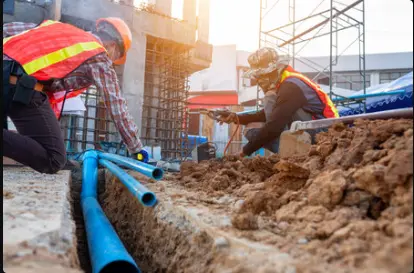
Questions to Ask Before Hiring a Electricity/Utility Construction Provider in Pennsylvania
Choosing the right provider for utility construction in Pennsylvania is one of the most important decisions you can make for your property or project. Whether you are managing a commercial building, overseeing a large enterprise campus, or handling a residential development, the quality of your electrical and utility work directly impacts safety, performance, and long-term value. Therefore, taking the time to ask the right questions before you hire can save you from costly mistakes down the road.
Pennsylvania has specific regulatory standards, licensing requirements, and environmental considerations that affect every utility construction project. Because of this, not every contractor is equally qualified to handle your needs. In this guide, we walk you through the essential questions to ask so you can hire with confidence.
Quick Answer: What Should You Ask a Utility Construction Provider?
Before signing any contract, ask about licensing, insurance, experience, project timelines, safety protocols, and local compliance. Additionally, ask for references from similar projects in Pennsylvania. These questions help you identify a provider who is qualified, reliable, and ready to meet your specific needs.
Are You Licensed and Insured for Utility Construction in Pennsylvania?
Licensing and insurance are non-negotiable starting points. Every legitimate utility construction provider operating in Pennsylvania must hold the appropriate state and local licenses.
Pennsylvania requires electrical contractors to be licensed through the relevant municipal or county authority. Therefore, always verify that the provider meets local jurisdiction requirements. Additionally, confirm they carry general liability insurance and workers’ compensation coverage.
Without proper insurance, you could be held financially responsible for accidents or damages that occur on your property. As a result, requesting proof of coverage before any work begins protects you and your investment. A reputable provider will share this documentation without hesitation.
What Experience Do You Have With Projects Like Mine?
Experience matters enormously in utility construction. A provider who has completed similar projects understands the technical challenges, timeline pressures, and compliance requirements involved.
Ask specifically about their background with residential, commercial, or enterprise projects depending on your needs. For example, a contractor experienced in large commercial installations will bring a different skill set than one focused on small residential work. However, both should demonstrate a track record of successful project delivery.
Additionally, ask how long they have been operating in Pennsylvania. Local experience means familiarity with Pennsylvania utility codes, inspection processes, and regional environmental considerations. This knowledge can significantly reduce delays and complications during your project.
Can You Provide References or Examples of Past Work in Pennsylvania?
Reputable providers welcome the opportunity to share references. Asking for references is one of the most effective ways to verify a contractor’s quality and reliability.
Request contact information for at least three past clients with similar project types. Then, follow up by asking those clients about communication, timeliness, budget management, and overall satisfaction. Meanwhile, ask the provider if they can share photos or case studies from completed projects.
Online reviews and third-party platforms can also offer insight into a provider’s reputation. However, direct references tend to give you the most honest and detailed picture. A contractor with strong references in Pennsylvania demonstrates consistent performance in your specific market.
How Do You Handle Safety and Compliance on the Job Site?
Safety is a top priority in utility construction. Electrical and utility work carries inherent risks, so your provider must have robust safety protocols in place.
Ask about their safety training programs and certifications. For example, OSHA compliance is a baseline requirement, but leading providers go beyond the minimum. Additionally, ask how they manage compliance with Pennsylvania’s utility and electrical codes throughout the construction process.
A strong safety culture reflects a well-managed company. Because of this, providers who prioritize safety typically deliver higher quality work and fewer project disruptions. Furthermore, their attention to compliance protects you from regulatory penalties and liability issues after project completion. This is also where working with a technology-forward firm like Instrata can make a significant difference, as integrated IT infrastructure expertise often supports smarter, safer project execution.
What Is Your Project Timeline and Communication Process?
Clear timelines and consistent communication are essential for a successful utility construction project. Before hiring, ask the provider to outline a realistic project schedule from start to finish.
Ask how they handle unexpected delays or changes in scope. Additionally, find out who your primary point of contact will be and how often you can expect updates. A provider who communicates proactively helps you avoid surprises and plan your operations around construction milestones.
Furthermore, ask whether they use project management software or digital reporting tools. Modern contractors often leverage technology solutions to track progress, manage documentation, and maintain transparency with clients. This kind of structured communication reflects a professional, accountable organization. In fact, strong digital marketing and communication practices are markers of a well-organized service provider.
How Do You Manage Subcontractors and Specialty Work?
Many utility construction projects require specialty work beyond the primary contractor’s scope. It is important to understand how the provider manages subcontractors when additional expertise is needed.
Ask whether they use in-house crews or rely heavily on third-party subcontractors. Additionally, ask how they vet and supervise subcontractors to maintain quality and safety standards. A provider who carefully manages their subcontractor relationships will deliver more consistent results.
Also, inquire whether the provider can integrate related services such as data center infrastructure, IT infrastructure support, or structured cabling when applicable to your project. Therefore, hiring a provider with a broad technology and construction skill set can streamline your entire project under one trusted partner.
What Are Your Pricing Structure and Contract Terms?
Understanding pricing and contract terms upfront prevents misunderstandings later. Ask the provider for a detailed, itemized estimate that breaks down labor, materials, permits, and any contingency costs.
Additionally, ask whether they offer fixed-price contracts or time-and-materials billing. Each structure has advantages depending on project complexity. For example, fixed-price contracts offer budget certainty, while time-and-materials arrangements provide flexibility for evolving scopes.
Review contract terms carefully before signing. Look for clear language around change orders, payment schedules, warranty provisions, and dispute resolution. Finally, ask whether they guarantee their work and what the process is for addressing issues after project completion. A trustworthy utility construction provider will stand behind the quality of their work.
Frequently Asked Questions
Do I need a permit for utility construction work in Pennsylvania?
Yes, most utility construction projects in Pennsylvania require permits from local municipalities or county authorities. Your contractor should handle the permitting process as part of their scope of work. Always confirm this before signing a contract.
How do I verify a contractor’s license in Pennsylvania?
You can verify electrical and contractor licenses through the Pennsylvania Office of Attorney General or your local municipality. Additionally, ask the contractor to provide their license number directly so you can confirm it independently.
What should I do if a utility construction project goes over budget?
First, review your contract for change order procedures. Reputable providers communicate cost changes before proceeding with additional work. Therefore, establish a clear approval process for any scope changes at the start of the project.
How long does a typical utility construction project take in Pennsylvania?
Project timelines vary depending on scope, location, and permitting requirements. Smaller residential projects may take days to weeks, while larger commercial or enterprise installations can span several months. Ask your provider for a detailed schedule during the proposal phase.
Can a utility construction provider also handle IT infrastructure needs?
Yes, many full-service technology and construction firms offer integrated services that include utility construction, structured cabling, data center support, and IT infrastructure. Hiring a provider with cross-disciplinary expertise can simplify project coordination and improve overall outcomes.
Disclaimer
This article is for educational purposes only and is not a substitute for professional medical advice, diagnosis, or treatment. If you are experiencing a mental health emergency, call or text 988 for immediate support.
Hiring the right utility construction partner in Pennsylvania requires asking thoughtful, direct questions about licensing, experience, safety, communication, and pricing. By doing your due diligence, you protect your project, your property, and your investment. When you are ready to move forward with a trusted and experienced provider, reaching out to a qualified team is the smartest first step. Contact Instrata today to learn more about reliable utility construction services in Pennsylvania.
Ready to upgrade your technology infrastructure? Contact Instrata today to schedule a consultation and discover reliable, innovative, and scalable technology solutions tailored to your business needs.