

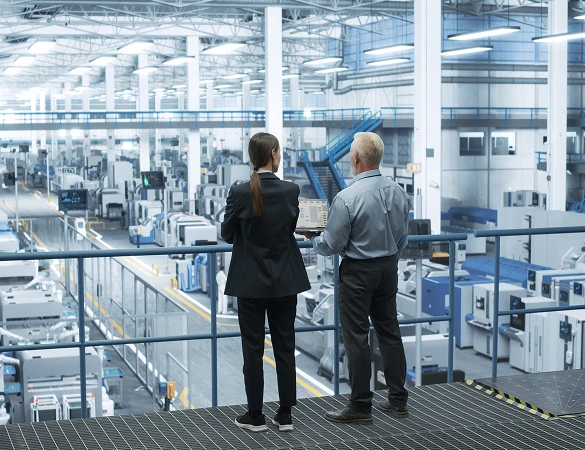
A Practical Roadmap for Modernizing Data Centers in New York
New York is one of the most competitive business environments in the world. Companies here depend on fast, reliable, and secure technology infrastructure to stay ahead. Working with experienced data centers experts New York businesses trust is a smart first step toward building a future-ready operation.
Instrata has helped commercial and enterprise clients across New York modernize their data center environments. From structured cabling to managed services, the right roadmap makes all the difference. This guide walks you through that roadmap clearly and practically.
What Does Modernizing a Data Center Actually Mean?
Modernizing a data center means upgrading aging infrastructure to meet today’s performance, security, and efficiency standards. It covers hardware, software, cabling, cooling, power systems, and network architecture.
Additionally, modernization is not just about replacing old equipment. It is about building a system that scales with your business. Therefore, every upgrade decision must align with your long-term operational goals.
Why New York Businesses Need to Modernize Now
New York businesses face growing pressure from competitors who are already using modern infrastructure. Outdated data centers create bottlenecks, security vulnerabilities, and rising operating costs.
Because of this, many organizations are falling behind without realizing it. Meanwhile, energy costs in New York continue to rise. Modernizing your data center can significantly reduce power consumption and cooling expenses. As a result, the return on investment is often faster than expected.
Furthermore, regulatory compliance requirements in New York are becoming stricter. Modern data centers are built with compliance frameworks in mind. This protects your business from costly penalties and data breaches.
Step One: Conduct a Full Infrastructure Assessment
Every successful modernization starts with an honest assessment of what you currently have. This means evaluating your servers, network cabling, power distribution, cooling systems, and security protocols.
Additionally, you should document every component and its age. Knowing what needs replacement versus what can be upgraded saves significant time and money. Therefore, a detailed audit is not optional — it is essential.
Experienced data centers experts will identify gaps you may not have noticed. They bring an outside perspective that reveals hidden inefficiencies. For example, improper cable management alone can reduce airflow and raise cooling costs dramatically.
Step Two: Build a Scalable Network and Cabling Foundation
Structured cabling is the backbone of every modern data center. Without a clean, organized cabling system, even the best hardware will underperform. Therefore, this step deserves serious attention and investment.
In New York, many older buildings house legacy cabling that cannot support today’s bandwidth demands. Upgrading to Cat6A or fiber optic cabling dramatically improves speed and reliability. Additionally, organized cabling makes future upgrades far easier and less expensive.
Proper cable management also improves airflow throughout your server environment. This reduces heat buildup and lowers cooling costs. As a result, your entire infrastructure operates more efficiently from day one.
Step Three: Upgrade Power and Cooling Systems
Power and cooling are two of the largest operating expenses in any data center. Modernizing these systems can generate significant savings over time. However, this requires careful planning to avoid downtime during the transition.
New York’s hot and humid summers place extra stress on cooling infrastructure. Therefore, investing in energy-efficient cooling solutions is especially important here. Modern cooling systems use precision airflow management to reduce waste.
Uninterruptible power supplies (UPS) and backup generators are also critical components. These systems protect your data center from unexpected outages. Additionally, they ensure compliance with uptime requirements that many enterprise clients demand.
Step Four: Strengthen IP Security and Physical Access Controls
Security is a core pillar of any modern data center. Physical and digital threats both require robust, layered protection strategies. For this reason, IP security systems must be integrated into your modernization plan from the start.
Modern IP security solutions include high-definition surveillance cameras, access control systems, and remote monitoring capabilities. These tools allow facility managers to track who enters and exits the data center at all times. Additionally, they provide real-time alerts when suspicious activity is detected.
Cybersecurity measures must complement physical security. Firewalls, intrusion detection systems, and encrypted communications are all essential. As a result, your data and your physical assets stay protected around the clock.
Step Five: Transition to Managed Services and Cloud Integration
Many New York businesses are discovering the value of managed services alongside their on-premises infrastructure. Managed services shift the burden of monitoring, maintenance, and updates to a dedicated expert team. Therefore, your internal staff can focus on core business functions instead.
Cloud integration is another powerful component of modern data center strategy. Hybrid environments that combine on-premises infrastructure with cloud platforms offer greater flexibility. Meanwhile, they also provide built-in redundancy that protects against local failures.
Partnering with the right data centers experts New York companies trust ensures a smooth transition. Experts manage the complexity so you avoid costly mistakes. For example, improper cloud migration can lead to data loss, security gaps, or significant downtime.
How Audio Visual and Technology Solutions Fit Into the Picture
Modern data centers often support broader enterprise technology environments. Audio visual systems, unified communications, and advanced technology solutions all rely on strong data center infrastructure. Therefore, your modernization plan should consider these downstream dependencies.
In addition, many New York enterprises use data centers to power their conference rooms, digital signage, and remote collaboration tools. A modernized data center ensures these systems perform reliably. As a result, your entire organization benefits from the investment.
Choosing a full-service technology partner simplifies this process significantly. A single provider who understands both data center infrastructure and AV technology can design solutions that work together seamlessly. This approach saves time, reduces vendor complexity, and improves overall outcomes.
As businesses grow their digital footprints, maintaining a strong online presence becomes just as important as the infrastructure supporting it.
Frequently Asked Questions
How long does a data center modernization project typically take?
The timeline depends on the size and complexity of your existing infrastructure. Most projects range from a few weeks to several months. Additionally, phased approaches allow businesses to modernize without major disruptions to daily operations.
What is the biggest challenge in modernizing a data center in New York?
Space constraints are a common challenge in New York facilities. Many buildings have limited room for expansion or equipment upgrades. However, experienced data center experts can design compact, high-density solutions that maximize every square foot.
Can I modernize my data center without taking it offline?
Yes, in many cases this is possible with careful planning. A phased approach allows you to upgrade systems in stages. Therefore, your business can continue operating with minimal disruption throughout the process.
How do I know if my current data center infrastructure is outdated?
Signs include frequent outages, slow network performance, rising energy bills, and difficulty meeting compliance requirements. Additionally, if your cabling or hardware is more than seven years old, it likely needs attention. A professional assessment will give you a clear picture.
Why should I work with local data centers experts in New York?
Local experts understand New York’s unique building codes, energy regulations, and space challenges. They can respond quickly to on-site issues and provide ongoing support. Furthermore, trusted data centers experts New York businesses rely on bring regional experience that national vendors often lack.
Disclaimer
This article is for educational purposes only and is not a substitute for professional medical advice, diagnosis, or treatment. If you are experiencing a mental health emergency, call or text 988 for immediate support.
Modernizing your data center is one of the highest-impact investments a New York business can make. The right plan, the right partner, and the right timing make all the difference. Trusted data centers experts New York companies count on bring the experience needed to do this right. Contact Instrata today to begin your modernization journey with confidence.
Ready to upgrade your technology infrastructure? Contact Instrata today to schedule a consultation and discover reliable, innovative, and scalable technology solutions tailored to your business needs.