

How Multi-Site Organizations in Virginia Can Standardize IT Infrastructure
Managing technology across multiple locations is one of the biggest challenges Virginia businesses face today. Without a unified approach to IT infrastructure, organizations often struggle with inconsistent performance, higher costs, and increased security risks. Standardization offers a clear path forward for companies operating across two or more sites.
From Richmond to Northern Virginia, multi-site organizations are growing rapidly. However, growth without a consistent IT strategy can create serious operational gaps. Instrata helps businesses across Virginia build reliable, scalable, and standardized technology environments that support long-term success.
What Does IT Infrastructure Standardization Mean for Multi-Site Organizations?
IT infrastructure standardization means deploying consistent hardware, software, networking, and security systems across all business locations. It ensures every site operates with the same technology baseline. As a result, teams can collaborate more efficiently and IT staff can manage systems with far less complexity.
For multi-site organizations, standardization reduces the guesswork involved in managing remote locations. Additionally, it makes troubleshooting faster and more predictable. When every location follows the same setup, your IT team spends less time on reactive fixes and more time on strategic growth.
Why Virginia Multi-Site Organizations Face Unique IT Challenges
Virginia is home to a diverse range of industries, from government contractors to healthcare providers to growing retail chains. Each industry brings its own compliance requirements and technology demands. Therefore, a one-size-fits-all approach rarely works without professional guidance.
Many Virginia organizations operate across both urban and rural areas. Meanwhile, connectivity quality can vary significantly from one region to another. This inconsistency makes it even more important to build a flexible infrastructure that performs reliably regardless of location.
Furthermore, Virginia’s proximity to Washington, D.C. means many businesses handle sensitive government or defense-related data. Because of this, security and compliance standards must be built directly into every layer of the IT environment.
Key Components of a Standardized IT Infrastructure
Building a consistent IT environment across multiple sites requires careful planning and the right technology components. Each element plays a critical role in overall performance and reliability. Below are the core components every multi-site Virginia organization should prioritize.
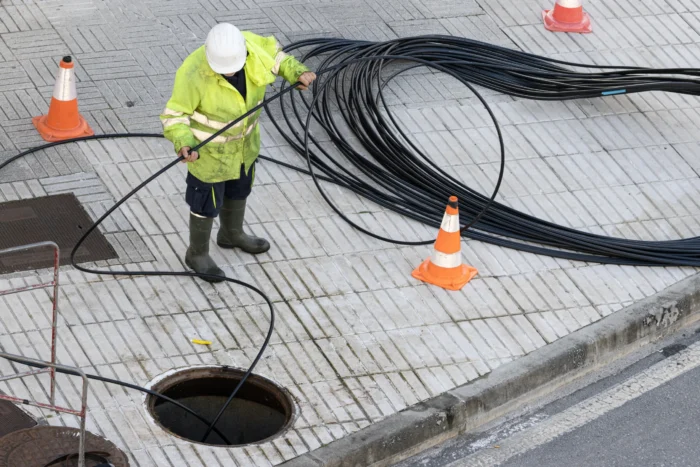
- Structured Cabling: A clean, organized cabling system forms the physical backbone of your network. Consistent cabling standards across locations reduce downtime and simplify maintenance.
- Network Equipment: Using the same routers, switches, and access points across sites ensures compatibility. It also makes configuration management far more straightforward.
- IP Security Systems: Standardized IP security cameras and access controls protect every location equally. Additionally, centralized monitoring becomes much easier to manage.
- Cloud and Data Center Solutions: Centralizing data storage and applications in a reliable data center environment supports consistency. It also improves disaster recovery capabilities across all sites.
- Managed Services: A managed services provider monitors and maintains all locations under one unified agreement. As a result, your team benefits from proactive support without managing multiple vendors.
- Audio Visual Systems: Standardizing AV equipment in conference rooms and collaboration spaces ensures seamless communication. Teams across different locations can connect and collaborate without technology barriers.
How to Build a Standardization Roadmap for Your Virginia Organization
A successful standardization effort starts with a thorough technology audit across all current locations. This audit reveals inconsistencies, outdated equipment, and gaps in coverage. From there, your team can develop a phased implementation plan that minimizes disruption.
First, document what technology currently exists at each site. Then, compare those findings against a defined standard that meets your business needs. For example, you might establish baseline requirements for network speed, security protocols, and hardware brands.
Next, prioritize upgrades based on risk and business impact. Sites with the most critical operations should typically receive attention first. Finally, roll out changes systematically and test each location before moving to the next.
Working with an experienced digital marketing and technology partner can also help communicate infrastructure updates internally and externally. Clear communication ensures your teams and stakeholders stay informed throughout the process.
The Role of Structured Cabling in Multi-Site IT Standardization
Structured cabling is the foundation upon which all other IT systems rely. Without a consistent cabling infrastructure, even the best network equipment will underperform. Therefore, every standardization plan must begin with a reliable physical layer.
Consistent cabling standards make it easier to add new devices, expand capacity, or reconfigure spaces. Additionally, properly installed cabling reduces signal interference and improves data transmission speeds. For Virginia organizations with high-density office environments, this matters enormously.
Instrata’s structured cabling teams follow industry best practices to ensure every site meets the same quality standards. This approach guarantees that your network performs at its best from day one. In addition, it protects your investment as your organization continues to grow.
Strengthening Security Across All Virginia Locations
Security is one of the most compelling reasons to standardize IT infrastructure across multiple sites. Inconsistent security configurations create vulnerabilities that bad actors can exploit. Because of this, every location must follow the same security framework.
Standardized IP security systems allow your security team to monitor all locations from a single dashboard. This centralized approach speeds up response times and improves situational awareness. Furthermore, it ensures no single site becomes a weak link in your overall security posture.
Beyond physical security, network security policies must also be consistent. Firewalls, intrusion detection systems, and access control policies should follow the same standards at every location. As a result, your organization is better protected against both internal and external threats.
Leveraging Managed Services for Ongoing IT Consistency
Even after standardization is complete, maintaining consistency across sites requires ongoing effort. Technology evolves quickly, and without active management, drift between sites can occur. Therefore, partnering with a managed services provider is a smart long-term strategy.
Managed services allow your organization to monitor, update, and troubleshoot all locations under one service umbrella. Additionally, proactive maintenance prevents small issues from becoming costly outages. Your internal team can then focus on higher-value work instead of routine upkeep.
Instrata offers comprehensive managed services tailored for multi-site Virginia organizations. Our team ensures your IT infrastructure remains consistent, secure, and up to date across every location. In addition, we provide regular reporting so you always know the health of your technology environment.
Frequently Asked Questions
How long does it take to standardize IT infrastructure across multiple Virginia locations?
The timeline depends on the number of sites and the current state of your technology. However, most multi-site projects can be completed in phases over three to twelve months. A detailed assessment helps establish a realistic and efficient schedule.
What is the biggest benefit of standardizing IT infrastructure for multi-site organizations?
The biggest benefit is operational consistency. When every location uses the same systems, your IT team can manage, troubleshoot, and scale more efficiently. Additionally, employees experience the same reliable technology environment regardless of which site they work from.
Does IT infrastructure standardization work for small multi-site businesses in Virginia?
Yes, standardization benefits organizations of all sizes. In fact, smaller businesses often see the greatest proportional gains because they have fewer resources to manage inconsistency. A well-planned approach makes standardization affordable and scalable even for growing companies.
Can Instrata handle both the cabling and network infrastructure at multiple Virginia locations?
Yes, Instrata provides end-to-end IT infrastructure services including structured cabling, networking, IP security, and managed services. Therefore, you work with one experienced partner across all your Virginia locations. This simplifies coordination and ensures consistent quality throughout the project.
How does standardized IT infrastructure improve security for Virginia organizations?
Standardization eliminates the security gaps that come from inconsistent configurations. Because every site follows the same security framework, vulnerabilities are easier to identify and address. Additionally, centralized monitoring tools give your security team full visibility across all locations at once.
Disclaimer
This article is for educational purposes only and is not a substitute for professional medical advice, diagnosis, or treatment. If you are experiencing a mental health emergency, call or text 988 for immediate support.
Standardizing your IT infrastructure across multiple Virginia locations is one of the most impactful investments your organization can make. It improves performance, reduces costs, and strengthens security at every site. Contact Instrata today to start your standardization journey.
Ready to upgrade your technology infrastructure? Contact Instrata today to schedule a consultation and discover reliable, innovative, and scalable technology solutions tailored to your business needs.