

How Multi-Site Organizations in Pennsylvania Can Standardize Audio Visual Services and Solutions
Managing technology across multiple locations is a real challenge. For organizations operating in Pennsylvania, inconsistent audio visual setups can slow down communication, confuse staff, and hurt productivity. When each site runs different equipment and systems, the gaps quickly become costly.
Fortunately, standardization is a proven path forward. Instrata helps multi-site organizations build unified audio visual environments that work seamlessly across every location. In this article, we break down exactly how your organization can achieve that consistency.
What Is Audio Visual Standardization for Multi-Site Organizations?
Audio visual standardization means deploying the same systems, equipment, and configurations across all of your locations. This approach ensures that every team member experiences the same technology, regardless of which site they work from.
Standardization covers displays, conferencing systems, speakers, control interfaces, and cabling infrastructure. Because all sites use identical setups, your IT team can manage, troubleshoot, and upgrade everything more efficiently.
Why Pennsylvania Organizations Struggle With Inconsistent Audio Visual Systems
Many organizations in Pennsylvania grew quickly. As a result, each new location often added its own technology without a unified plan.
This creates serious problems over time. For example, a conference room in Philadelphia may use a different video conferencing platform than one in Pittsburgh. Additionally, support teams must learn multiple systems, which increases training costs and response times.
Meanwhile, employees become frustrated when technology behaves differently at each site. Because of this, meetings run poorly and collaboration suffers. Standardization directly addresses all of these pain points.
Key Benefits of Standardizing Audio Visual Solutions Across Locations
Standardizing your audio visual environment delivers measurable benefits. First, it simplifies IT management significantly. Your support team only needs to know one system, so they resolve issues faster.
Additionally, standardization reduces procurement costs. When you buy the same equipment in bulk, vendors offer better pricing. Therefore, your organization saves money on hardware and maintenance over time.
Furthermore, a consistent user experience boosts employee confidence. Staff members walk into any room and know exactly how to use the technology. In addition, onboarding new employees becomes easier and faster across all Pennsylvania locations.
- Faster IT support: One system means quicker troubleshooting.
- Lower costs: Bulk purchasing reduces equipment expenses.
- Better meetings: Consistent setups improve collaboration quality.
- Simpler training: Employees learn one platform instead of many.
- Easier upgrades: Updates roll out to all sites at once.
How to Build a Standardized Audio Visual Framework
Building a framework starts with a full site audit. Your team should assess every location and document the current technology in place. This reveals gaps and inconsistencies immediately.
Next, define your standard equipment list. Choose reliable conferencing systems, displays, microphones, and control panels that meet your organization’s specific needs. However, make sure your choices scale for both small meeting rooms and large conference halls.
After that, develop a deployment plan. Prioritize sites that need the most urgent upgrades. Then roll out the new systems in phases to avoid major disruption. Finally, create a maintenance and support schedule to keep every location running at peak performance. Many organizations also invest in strong digital marketing strategies to communicate technology upgrades to clients and stakeholders effectively.
Choosing the Right Audio Visual Technology Partner in Pennsylvania
Not every vendor understands the complexity of multi-site deployments. Therefore, you need a partner with deep experience in enterprise-level audio visual infrastructure.
Look for a partner who offers end-to-end services. This includes design, installation, integration, and ongoing managed services. Because of this full-cycle approach, your organization avoids working with multiple vendors who may not coordinate well.
Additionally, choose a partner familiar with Pennsylvania’s business environment. Local knowledge matters when it comes to permitting, site access, and regional regulations. A trusted local partner keeps your project on schedule and within budget.
Integrating Audio Visual Systems With Your Broader IT Infrastructure
Audio visual systems do not operate in isolation. They connect directly to your network infrastructure, security systems, and unified communications platforms. Therefore, integration planning is essential from day one.
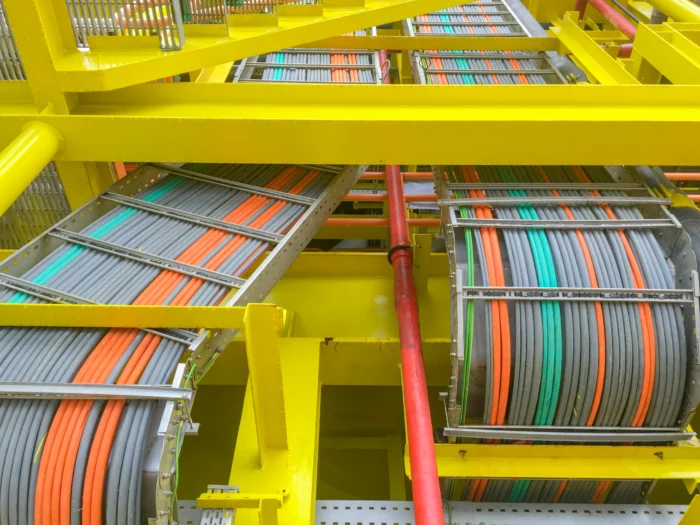
For example, video conferencing systems must connect reliably to your organization’s network. Poor connectivity leads to dropped calls and failed presentations. Additionally, structured cabling plays a critical role in supporting high-quality audio visual performance at every site.
Managed services also add tremendous value here. With remote monitoring in place, your IT partner can detect and resolve issues before they affect your meetings. As a result, your multi-site organization runs smoothly with minimal downtime.
Common Mistakes to Avoid When Standardizing Audio Visual Solutions
Many organizations make avoidable errors during the standardization process. Understanding these mistakes helps you plan more effectively.
First, avoid choosing technology without involving end users. Staff members use these systems daily. Therefore, their input ensures you select equipment that fits real workflows. Additionally, do not skip the site audit phase. Without accurate data on existing systems, your plan will miss critical gaps.
Furthermore, avoid implementing all changes at once across every site. This approach risks major disruption. Instead, use a phased rollout to minimize risk and allow your team to learn as you go. Finally, never neglect ongoing maintenance. Even the best systems need regular updates and calibration to perform consistently.
Frequently Asked Questions
What does audio visual standardization involve for multi-site organizations?
It involves deploying the same equipment, software, and configurations across all locations. This creates a consistent user experience and simplifies IT management significantly.
How long does it take to standardize audio visual systems across multiple Pennsylvania sites?
Timelines vary based on the number of locations and complexity. However, most phased deployments take between three and twelve months to complete fully.
Can existing audio visual equipment be integrated into a new standardized framework?
In some cases, yes. A professional assessment determines which existing systems are compatible. However, older or incompatible equipment typically requires replacement for full standardization.
How does structured cabling support audio visual performance?
Structured cabling provides the reliable physical network backbone that audio visual systems depend on. Without it, signal quality and connectivity suffer across your locations.
What role do managed services play in maintaining standardized audio visual systems?
Managed services allow a technology partner to monitor, maintain, and update your systems remotely. Because of this ongoing support, your organization avoids costly downtime and keeps all sites performing at their best.
Disclaimer
This article is for educational purposes only and is not a substitute for professional medical advice, diagnosis, or treatment. If you are experiencing a mental health emergency, call or text 988 for immediate support.
When your Pennsylvania organization is ready to move forward, connecting with the right technology partner makes all the difference. A well-planned audio visual standardization strategy delivers consistent performance, lower costs, and a better experience for every team member across every site. Contact Instrata today to start your journey toward unified, high-performance technology infrastructure.
Ready to upgrade your technology infrastructure? Contact Instrata today to schedule a consultation and discover reliable, innovative, and scalable technology solutions tailored to your business needs.