

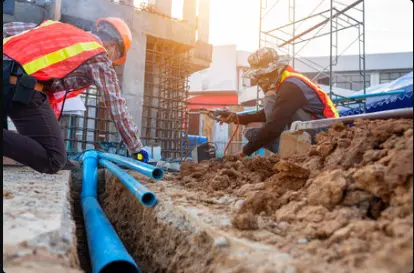
How Multi-Site Organizations in New York Can Standardize Electricity/Utility Construction
Managing multiple locations across New York is no small task. When it comes to utility construction, inconsistency between sites can create costly delays, compliance risks, and operational headaches. Organizations that operate several facilities need a clear, repeatable approach to electrical and utility infrastructure.
Instrata helps multi-site organizations build reliable, standardized utility systems across every location. With deep experience in electricity and utility construction, Instrata delivers consistent results whether you operate two sites or twenty.
What Is the Fastest Way to Standardize Utility Construction Across Multiple Sites?
The fastest approach is to develop a master utility construction framework. This framework covers design standards, approved materials, installation methods, and inspection protocols. Then, every site follows the same playbook.
This method reduces guesswork for contractors. It also speeds up approvals and keeps budgets predictable. As a result, organizations save time and money across every project phase.
Why Standardization Matters for Utility Construction in New York
New York has some of the most complex utility regulations in the country. Additionally, multi-site organizations face pressure from local municipalities, state agencies, and private utility providers. Meeting these demands consistently across locations requires a disciplined approach.
Without standardization, each site may use different contractors, materials, and methods. This creates a patchwork of systems that are difficult to maintain. Over time, these inconsistencies increase risk and drive up operating costs.
Furthermore, standardized utility construction supports long-term scalability. When your organization grows, new sites can be brought online faster. Because of this, standardization is not just an operational choice — it is a strategic investment.
Key Components of a Utility Construction Standard
A strong utility construction standard includes several core elements. Each element works together to ensure every site meets the same baseline requirements.
- Design specifications: Define approved electrical layouts, load capacities, and distribution panel configurations for all facilities.
- Material standards: Specify approved conduit types, wire gauges, breaker brands, and grounding systems.
- Installation protocols: Outline step-by-step procedures for trenching, conduit installation, and energization testing.
- Inspection checklists: Create consistent quality control checkpoints that apply to every site, regardless of location.
- Documentation requirements: Require as-built drawings, permit records, and maintenance logs for every completed project.
Together, these components create a repeatable process. Therefore, your team can manage projects across New York with confidence and precision.
How to Align Contractors and Vendors Across New York Locations
Contractor alignment is one of the biggest challenges for multi-site organizations. However, it is also one of the most important steps in standardizing utility construction.
Start by creating a preferred vendor list. Vet contractors based on their experience with commercial and enterprise utility systems. In addition, require all vendors to review and sign off on your master construction standards before any work begins.
Regular communication also matters. Hold quarterly contractor reviews to address gaps and reinforce expectations. Meanwhile, assign a dedicated project manager to oversee vendor compliance across all active sites.
Working with a technology and infrastructure partner like Instrata simplifies this process. Instrata coordinates directly with contractors and vendors to ensure consistent execution. For example, the team can review contractor submittals and flag deviations from your approved standards early in the process.
Integrating Utility Construction with IT Infrastructure Planning
Electrical systems and IT infrastructure are deeply connected. For instance, data centers, server rooms, and network closets all depend on reliable power distribution. Because of this, utility construction planning must align with your broader IT infrastructure strategy.
Multi-site organizations in New York should involve their IT and facilities teams early in the design phase. This ensures that power capacity, redundancy systems, and grounding meet the needs of critical technology equipment. Additionally, integrating utility and IT planning reduces the risk of costly retrofits later.
Instrata brings both disciplines together under one roof. The team understands how structured cabling, managed services, and data center design intersect with electrical systems. As a result, organizations receive a truly integrated approach to infrastructure development, and their digital presence and operational backbone grow stronger together.
Navigating New York Utility Permits and Compliance Requirements
Permit requirements vary across New York City boroughs, Long Island, and upstate regions. Therefore, multi-site organizations must understand each jurisdiction’s specific rules. Failing to comply can result in project delays, fines, or forced rework.
Standardization helps here as well. When your design specifications already meet or exceed code requirements, permit applications move faster. In addition, inspectors are more likely to approve work that follows a documented, repeatable process.
Instrata’s team is familiar with New York’s regulatory landscape. The team helps clients navigate permits, utility interconnections, and inspection requirements at every stage. Finally, having an experienced partner manages risk and keeps projects on schedule.
Steps to Launch a Utility Construction Standardization Program
Starting a standardization program may feel overwhelming. However, breaking it into manageable steps makes the process straightforward.
- Step 1 — Audit existing sites: Assess the current electrical and utility systems at each location. Identify gaps, inconsistencies, and aging infrastructure.
- Step 2 — Define your standards: Work with engineers and your infrastructure partner to create a master utility construction framework.
- Step 3 — Pilot the program: Test the standards at one or two sites before rolling out company-wide.
- Step 4 — Train your team: Educate internal staff, project managers, and approved contractors on the new standards.
- Step 5 — Monitor and refine: Track performance metrics and update the framework as codes, technologies, or business needs evolve.
This step-by-step approach builds momentum without overwhelming your team. Additionally, it creates a foundation that supports long-term growth and operational efficiency.
Frequently Asked Questions
What types of organizations benefit most from standardized utility construction?
Any organization with two or more facilities benefits from standardization. Retail chains, healthcare networks, financial institutions, and corporate campuses in New York all see significant gains in efficiency and cost control through consistent utility construction practices.
How does utility construction standardization reduce costs?
Standardization reduces costs by streamlining procurement, eliminating duplicate design work, and speeding up contractor onboarding. Additionally, consistent systems are easier and cheaper to maintain over time. Organizations typically see savings in both capital and operational expenditures.
Can utility construction standards be customized for different site types?
Yes. A good standardization framework includes a base set of requirements that apply to all sites. However, it also allows for site-specific adjustments based on building size, load requirements, or local code variations. Flexibility within structure is the goal.
How long does it take to implement a utility construction standardization program?
The timeline depends on the number of sites and the complexity of existing systems. Most organizations complete an initial audit and framework development within three to six months. Pilot testing and full rollout may take an additional six to twelve months.
How does Instrata support multi-site utility construction projects in New York?
Instrata provides end-to-end support for multi-site utility construction projects. The team handles site assessments, design standardization, contractor coordination, permit navigation, and quality control. As a result, organizations receive a consistent, high-quality outcome at every location.
Disclaimer
This article is for educational purposes only and is not a substitute for professional medical advice, diagnosis, or treatment. If you are experiencing a mental health emergency, call or text 988 for immediate support.
Achieving consistent utility construction across multiple New York sites is possible with the right strategy and the right partner. Standardized frameworks, aligned vendors, and integrated IT planning all work together to create reliable, scalable infrastructure. Contact Instrata today to learn how your organization can build a smarter, more consistent approach to utility construction across every location.
Ready to upgrade your technology infrastructure? Contact Instrata today to schedule a consultation and discover reliable, innovative, and scalable technology solutions tailored to your business needs.