

How Multi-Site Organizations in Maryland Can Standardize Audio Visual Services and Solutions
Managing multiple locations is never simple. When each site runs different technology, operations become fragmented and costly. For Maryland organizations, standardizing audio visual systems across all locations is a powerful step toward greater efficiency and consistency.
Many businesses overlook audio visual infrastructure until problems arise. However, a unified approach from the start saves time, money, and frustration. Instrata helps multi-site organizations in Maryland design and deploy standardized audio visual solutions that scale with their growth.
What Does It Mean to Standardize Audio Visual Across Multiple Sites?
Standardization means every location uses the same systems, interfaces, and support protocols. As a result, staff can move between sites without relearning equipment. Additionally, IT teams manage one consistent platform instead of juggling many different setups.
This approach reduces errors and speeds up troubleshooting. It also lowers long-term costs significantly. When technology is uniform, procurement, maintenance, and training all become far more efficient.
Why Maryland Multi-Site Organizations Struggle With Audio Visual Consistency
Many organizations grow quickly and acquire new locations over time. Because of this, each site often ends up with different vendors, equipment brands, and configurations. Over time, these differences create serious operational gaps.
Support becomes complicated when systems vary widely. Meanwhile, employees experience frustration when familiar tools are unavailable at other locations. Therefore, leadership must prioritize a standardized strategy before these gaps widen further.
Maryland businesses face unique challenges due to the region’s mix of urban centers and suburban campuses. For example, organizations in Baltimore, Annapolis, and the DC suburbs often manage diverse facility types. Additionally, compliance requirements in regulated industries add another layer of complexity to audio visual management.
Key Benefits of Standardizing Audio Visual Services and Solutions
Standardization delivers measurable advantages across every department. First, it simplifies the user experience for employees at every location. As a result, meetings start faster and technical issues decrease noticeably.
Here are the top benefits multi-site organizations gain from standardization:
- Reduced IT burden: One system means one set of support procedures.
- Lower equipment costs: Bulk purchasing agreements become possible.
- Faster onboarding: New employees learn one interface across all sites.
- Improved collaboration: Teams connect seamlessly between locations.
- Stronger vendor relationships: Single-vendor or fewer-vendor models simplify negotiations.
- Consistent brand experience: Clients and visitors see the same professional environment everywhere.
Additionally, standardized systems make future upgrades much simpler. When new technology becomes available, organizations deploy it uniformly across all sites. Therefore, no location falls behind while others advance.
How to Build a Standardized Audio Visual Strategy for Multiple Locations
A strong strategy begins with a thorough assessment of existing systems. Organizations must first understand what they currently have at each site. Then they can identify gaps, redundancies, and upgrade opportunities.
Next, leadership should define core requirements for every location. For example, which rooms need video conferencing? Which spaces require digital signage or presentation systems? Furthermore, which locations need specialized audio visual setups for large audiences or training environments?
After defining requirements, organizations select a unified technology platform. This platform should support scalability and integrate with existing IT infrastructure. In addition, it should align with the organization’s long-term growth plans.
Finally, deployment should follow a phased rollout plan. This allows teams to refine the process before scaling to every location. Moreover, phased rollouts reduce disruption to daily operations.
Choosing the Right Audio Visual Partner in Maryland
Not all technology providers understand the needs of multi-site organizations. Therefore, selecting the right partner is one of the most important decisions a leadership team will make. The right partner brings both technical expertise and project management experience.
Look for a provider that offers end-to-end services. These services should include design, installation, integration, and ongoing support. Additionally, the provider should have proven experience working with organizations across multiple locations simultaneously.
Local presence also matters. A Maryland-based team responds faster and understands regional compliance requirements. For multi-site deployments, local knowledge combined with enterprise-level capability is the ideal combination.
Strong technology partners also support digital marketing alignment, ensuring that the client-facing environments at each location reflect a consistent and professional brand image. This consistency strengthens trust with clients and visitors across every site.
Integrating Audio Visual Systems With Broader IT Infrastructure
Audio visual systems do not operate in isolation. They connect with networks, security systems, and cloud platforms. Therefore, integration with broader IT infrastructure is essential for peak performance.
Unified communications platforms, for example, require tight integration with video conferencing hardware. Similarly, digital signage systems rely on stable network connections and content management software. Because of this, audio visual planning must happen alongside network and infrastructure planning.
Managed services play a key role here as well. With a managed services agreement, organizations receive proactive monitoring and rapid support. Additionally, regular system health checks prevent small issues from becoming major disruptions.
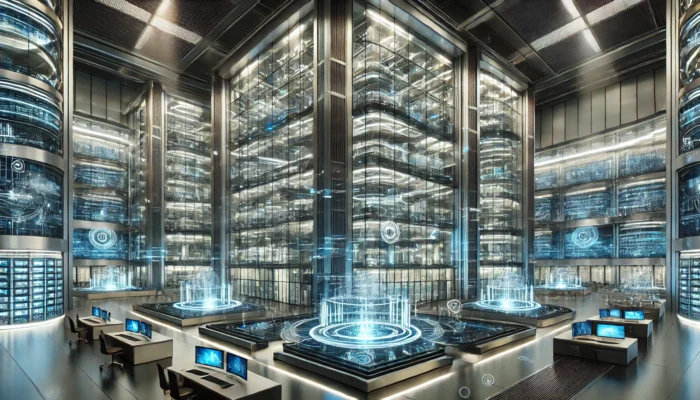
Data centers also support centralized management of audio visual content and systems. Organizations can push updates and configuration changes from a single point. As a result, consistency is maintained automatically across all locations.
Maintaining Standardized Audio Visual Systems Over Time
Deployment is only the beginning. Ongoing maintenance keeps systems running at peak performance. Furthermore, regular updates ensure compatibility with evolving technology standards.
Organizations should establish a clear maintenance schedule for every location. This schedule should include firmware updates, equipment inspections, and user training refreshers. In addition, a dedicated support contact ensures fast resolution when issues arise.
Technology evolves quickly. Therefore, organizations should review their audio visual strategy annually. This review helps identify opportunities to upgrade or expand capabilities. Moreover, it ensures the organization stays competitive and operationally efficient.
Instrata provides ongoing support for multi-site audio visual deployments throughout Maryland. Their team ensures every location stays current, functional, and aligned with organizational goals.
Frequently Asked Questions
What types of audio visual systems can be standardized across multiple sites?
Organizations can standardize video conferencing systems, digital signage, presentation displays, sound systems, control interfaces, and room scheduling panels. Additionally, collaboration platforms and content management systems can be unified across all locations.
How long does it take to standardize audio visual systems across multiple Maryland locations?
The timeline depends on the number of sites and the complexity of each environment. However, most multi-site standardization projects follow a phased approach over several months. A technology partner can provide a detailed project timeline after an initial assessment.
Can existing audio visual equipment be integrated into a standardized system?
In many cases, yes. Some legacy equipment can integrate with new platforms through compatible interfaces or adapters. However, older systems may require replacement to achieve full standardization. A professional assessment will clarify which equipment can be retained.
How does audio visual standardization support remote and hybrid work models?
Standardized systems make remote collaboration far more reliable. Employees connect from any location using the same tools and interfaces. Additionally, unified platforms reduce compatibility issues between in-office and remote participants during meetings.
What industries in Maryland benefit most from audio visual standardization?
Healthcare, education, government, finance, and corporate enterprise organizations benefit greatly from standardized audio visual systems. Furthermore, any organization with multiple locations and collaborative work environments will see significant operational improvements.
Disclaimer
This article is for educational purposes only and is not a substitute for professional medical advice, diagnosis, or treatment. If you are experiencing a mental health emergency, call or text 988 for immediate support.
For Maryland multi-site organizations, the path to operational excellence runs through a unified audio visual strategy. Consistent systems improve collaboration, reduce costs, and strengthen every location’s performance. Contact Instrata today to learn how a standardized audio visual approach can transform your organization.
Ready to upgrade your technology infrastructure? Contact Instrata today to schedule a consultation and discover reliable, innovative, and scalable technology solutions tailored to your business needs.