

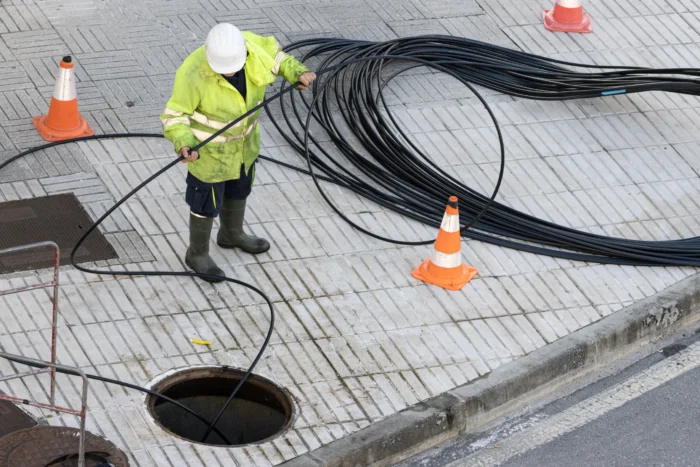
How to Budget for Structured Cabling Projects Without Surprises in Virginia
Planning a structured cabling project in Virginia requires careful budgeting from the very start. Without a clear financial plan, costs can spiral quickly and disrupt your entire timeline. Understanding the key cost drivers helps you stay in control from day one.
Instrata has helped residential, commercial, and enterprise clients across Virginia plan and execute cabling projects with precision. Because of this experience, we know exactly where budgets tend to go off track. This guide walks you through everything you need to know to plan smartly and avoid costly surprises.
Quick Answer: What Does a Structured Cabling Project Cost in Virginia?
Costs vary widely depending on building size, cable type, and labor needs. However, most commercial structured cabling projects in Virginia range from a few thousand dollars to well over six figures for large enterprise installations.
For smaller office builds, expect costs between $1,500 and $10,000. Therefore, knowing your specific requirements early makes a significant difference in final pricing. Always get a detailed quote before committing to any scope of work.
Why Budgeting for Structured Cabling Projects Matters
Proper budgeting protects your investment and keeps your project on schedule. Additionally, it helps you avoid mid-project decisions that add unnecessary expense. A clear budget also gives contractors a defined scope to work within.
Many clients underestimate cabling costs because they focus only on materials. However, labor, permits, and testing fees add up fast. In Virginia, local building codes and inspection requirements can also influence total project costs significantly.
Furthermore, poorly planned budgets often lead to substandard installations. Cutting corners on cabling infrastructure creates long-term reliability issues. As a result, investing in proper planning upfront saves money over the life of the system.
Key Cost Factors in Virginia Structured Cabling Projects
Several variables directly influence your final project cost. Understanding each one helps you build a more accurate and realistic budget.
- Cable Category: Cat6, Cat6A, and fiber optic cables carry different price points. Higher-category cables support faster speeds but cost more per foot.
- Building Size and Layout: Larger spaces require more cable runs and labor hours. Additionally, complex layouts with multiple floors add installation time.
- Labor Rates: Skilled cabling technicians in Virginia charge competitive hourly rates. Therefore, the number of technicians and project duration directly affect labor costs.
- Conduit and Pathway Requirements: Some buildings require cable to run through conduit for protection. This adds both material and labor expenses to your budget.
- Testing and Certification: Every structured cabling installation should be tested and certified. Certification ensures performance standards are met and is often required by warranty programs.
- Permits and Inspections: Virginia municipalities may require permits for low-voltage cabling work. Always factor permit fees and inspection costs into your budget early.
How to Avoid Hidden Costs in Your Cabling Budget
Hidden costs are one of the biggest challenges in structured cabling projects. However, most surprises are avoidable with thorough planning and clear communication with your contractor.
First, request a detailed line-item quote before any work begins. This breakdown should include materials, labor, testing, permits, and contingency allowances. As a result, you will have full visibility into where every dollar is going.
Second, conduct a site survey before finalizing your budget. A professional site assessment reveals obstacles like existing infrastructure, asbestos concerns, or outdated wiring that could increase costs. Meanwhile, skipping this step is one of the most common reasons projects go over budget.
Third, define your project scope in writing. Verbal agreements leave room for misinterpretation. Therefore, a written scope of work protects both you and your contractor throughout the project.
Finally, include a contingency buffer of 10 to 15 percent in your budget. Unexpected discoveries during installation are common. This buffer gives you financial flexibility without derailing the entire project.
Residential vs. Commercial Structured Cabling Budgets in Virginia
Budgeting needs differ significantly between residential and commercial projects. In addition, enterprise-level installations introduce even more complexity and cost considerations.
Residential structured cabling projects typically involve home networking, security camera wiring, and smart home integration. These projects are generally smaller in scale. However, custom home builds can still reach tens of thousands of dollars depending on the technology included.
Commercial projects involve higher cable densities, more complex routing, and stricter compliance requirements. For example, a multi-floor office building may need hundreds of cable runs, multiple telecommunications rooms, and redundant pathways. Because of this, commercial budgets require more detailed planning and expert oversight.
Enterprise clients face the largest scope of all. Data centers, large campuses, and multi-site deployments demand precision engineering and certified installation teams. Therefore, enterprise budgets should always include design consulting fees as a line item.
How to Choose the Right Structured Cabling Contractor in Virginia
Choosing the right contractor is just as important as setting the right budget. A qualified partner helps you make smart decisions throughout the project lifecycle.
Look for contractors with industry certifications such as BICSI credentials or manufacturer-certified training. Additionally, ask for references from completed Virginia projects similar to yours. This helps you verify their experience and reliability before signing any contract.
Transparency is another key indicator of a trustworthy contractor. They should clearly explain all cost components and flag potential risks early. Furthermore, a good contractor will help you prioritize needs versus wants to keep the project within your budget.
Instrata brings deep expertise in structured cabling across Virginia and beyond. Our team works closely with clients to deliver accurate estimates, clean installations, and long-term infrastructure performance. We also help clients with digital marketing partners to understand how a strong technology infrastructure supports overall business growth.
Tips for Long-Term Structured Cabling Budget Planning
Smart budgeting does not stop once the installation is complete. In fact, planning for future needs is just as important as funding the initial project.
First, design your cabling infrastructure with scalability in mind. Installing slightly more capacity than you currently need is far cheaper than a full retrofit later. Additionally, modular patch panels and flexible pathways make future upgrades easier and less expensive.
Second, schedule regular maintenance and inspection intervals. Proactive maintenance catches small issues before they become costly failures. Therefore, many Virginia businesses include cabling maintenance in their annual IT infrastructure budgets.
Third, document everything after installation. Accurate documentation of cable runs, port assignments, and test results saves significant time during future upgrades or troubleshooting. As a result, your team or future contractors can work more efficiently.
Finally, partner with a managed services provider who understands your cabling environment. A managed services partner monitors your infrastructure and helps you plan ahead. This approach keeps both performance and costs predictable over time.
Frequently Asked Questions
How much does structured cabling cost per drop in Virginia?
The average cost per cable drop in Virginia typically ranges from $125 to $300. However, this varies based on cable category, building conditions, and labor rates in your area. Always request a site-specific quote for accurate pricing.
Do I need a permit for structured cabling in Virginia?
Permit requirements vary by city and county across Virginia. Many jurisdictions require low-voltage permits for commercial cabling installations. Therefore, consult your local building authority or work with a licensed contractor who handles permit applications.
What is the difference between Cat6 and Cat6A for budgeting purposes?
Cat6A supports higher speeds and longer distances than Cat6. Additionally, Cat6A cables and connectors cost more per unit. However, for many enterprise applications, the performance upgrade justifies the additional investment.
How long does a typical structured cabling project take in Virginia?
Small office projects may take one to three days. Larger commercial or enterprise installations can take several weeks. Therefore, factor lead time and installation duration into your overall project schedule and budget.
Can structured cabling be installed in existing buildings without major disruption?
Yes, experienced installers can retrofit cabling into existing buildings with minimal disruption. However, older buildings may have obstacles that add labor time. As a result, a pre-installation site survey is strongly recommended for retrofit projects.
Disclaimer
This article is for educational purposes only and is not a substitute for professional medical advice, diagnosis, or treatment. If you are experiencing a mental health emergency, call or text 988 for immediate support.
Planning your structured cabling project with a well-defined budget is the single best way to avoid surprises. With the right partner, the right planning tools, and a clear understanding of cost factors, your Virginia cabling project can come in on time and on budget. Contact Instrata today to get started with a professional site assessment and detailed project estimate.
Ready to upgrade your technology infrastructure? Contact Instrata today to schedule a consultation and discover reliable, innovative, and scalable technology solutions tailored to your business needs.