

How to Budget for Data Centers Projects Without Surprises in New Jersey
Planning a data centers project in New Jersey is a major investment. Whether you are building a new facility or upgrading an existing one, unexpected costs can quickly derail your timeline and budget.
Fortunately, with the right planning approach, you can stay in control of your spending. Instrata helps businesses across New Jersey design, build, and manage data center projects that meet real-world budget demands without sacrificing quality or performance.
Quick Answer: What Does It Cost to Budget for a Data Centers Project in New Jersey?
Data center project costs in New Jersey vary widely based on scope, scale, and infrastructure needs. Small to mid-size enterprise builds can range from $500,000 to several million dollars, depending on power, cooling, cabling, and security requirements.
Therefore, a detailed budget plan that accounts for every phase is essential. Without one, hidden costs can appear at the worst possible time.
Why Data Centers Projects in New Jersey Often Go Over Budget
Cost overruns are common in data center builds. However, most of them are preventable with proper planning and the right partners.
Many projects go over budget because of scope changes, underestimated power needs, or overlooked permitting requirements. Additionally, labor costs in New Jersey can be higher than national averages, which affects overall project pricing.
Another common issue is failing to plan for future scalability. As a result, teams often need to redo work that was not built with growth in mind, adding significant unplanned costs.
Key Budget Categories Every Data Centers Project Must Include
A thorough budget covers every major component of your project. Missing even one category can lead to serious financial surprises down the road.
Here are the core budget categories to plan for:
- Structural and Civil Work: Foundation, flooring, raised access systems, and building modifications.
- Power and Electrical Systems: UPS systems, generators, PDUs, and utility connections.
- Cooling and HVAC: Precision air conditioning, hot/cold aisle containment, and redundancy systems.
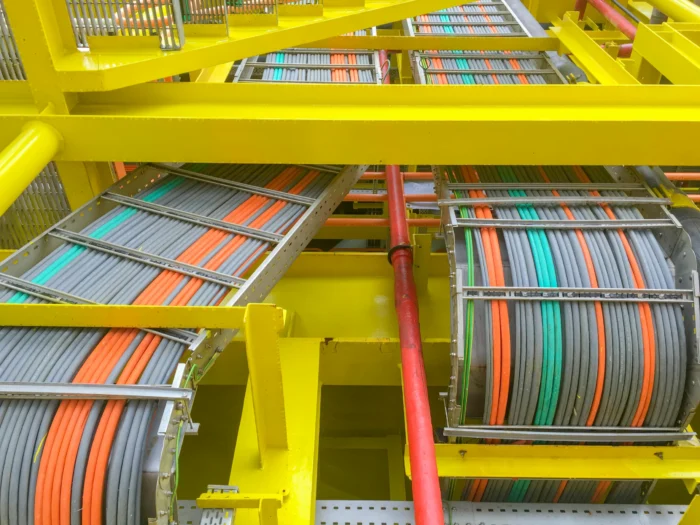
- Structured Cabling: Copper and fiber cabling, cable management, and patch panels throughout the facility.
- IT Infrastructure: Servers, storage, networking hardware, and rack systems.
- IP Security Systems: Access control, surveillance cameras, and intrusion detection.
- Fire Suppression: Clean agent or pre-action sprinkler systems designed for sensitive equipment.
- Permitting and Compliance: Local New Jersey permitting, inspections, and code compliance costs.
- Project Management: Engineering, design, testing, and commissioning fees.
In addition, always include a contingency line item of at least 10 to 15 percent of the total budget. This buffer protects you from unexpected material price increases or field conditions.
How to Plan for Power and Cooling Costs Without Surprises
Power and cooling are the two largest cost drivers in any data centers project. Because of this, they deserve their own dedicated budget analysis.
New Jersey has specific utility infrastructure considerations that can affect power delivery timelines and costs. Meanwhile, cooling requirements depend heavily on your equipment density and the physical layout of the space.
Work with an experienced engineer to calculate your power usage effectiveness (PUE) targets early. This calculation helps you size systems correctly and avoid costly over-engineering or under-sizing mistakes.
Additionally, consider energy efficiency incentives available in New Jersey. PSE&G and other utility providers offer programs that can offset upfront infrastructure investment costs significantly.
Structured Cabling and IT Infrastructure: Budget Line Items You Cannot Skip
Structured cabling is the backbone of any high-performing data center. However, many project budgets underestimate cabling material and labor costs.
High-density environments require Category 6A or fiber optic cabling to support current and future bandwidth demands. Therefore, cutting corners here creates performance bottlenecks that are expensive to fix after installation.
IT infrastructure costs also need careful planning. For example, networking equipment lead times have increased in recent years, which can delay commissioning if you do not order early.
Building a detailed bill of materials (BOM) at the start of the project keeps your IT infrastructure budget accurate and your procurement timeline on track. This level of detail also helps when comparing vendor quotes for competitive pricing.
Navigating New Jersey Permitting and Compliance Costs
Permitting in New Jersey adds real cost and time to data center projects. Furthermore, failing to plan for compliance can result in costly rework or project delays.
Local municipalities and the New Jersey Department of Community Affairs (DCA) each have specific code requirements for electrical, mechanical, and fire suppression systems. Additionally, data centers that house sensitive data may need to comply with standards such as SSAE 18, SOC 2, or Uptime Institute Tier certifications.
Build permit fees, inspection fees, and third-party compliance assessments directly into your project budget. As a result, these costs will not catch you off guard when they come due during the project lifecycle.
Partnering with a team that understands New Jersey’s regulatory landscape is one of the best ways to manage compliance costs. Their local expertise helps you avoid common pitfalls that delay approvals and inflate budgets, and working with strong marketing partners can also help communicate your project milestones to stakeholders effectively.
How to Use a Phased Approach to Control Data Centers Costs
A phased build strategy helps you manage cash flow and reduce financial risk. Instead of spending everything upfront, you build in stages aligned with your actual business needs.
For example, Phase 1 might cover core infrastructure, power, cooling, and cabling. Phase 2 could then add additional server capacity, security upgrades, or expanded networking once the initial systems are stable.
This approach also allows you to incorporate technology upgrades at each phase. Therefore, you avoid locking in outdated equipment for a facility you plan to use for 10 or more years.
Additionally, phased projects are easier to finance and easier to justify to stakeholders. They provide measurable milestones and clear return-on-investment checkpoints throughout the project.
Tips for Getting Accurate Vendor Quotes in New Jersey
Accurate vendor quotes require detailed scope documentation. Without a clear scope, vendors fill in gaps with assumptions, and those assumptions often lead to change orders later.
Here are practical tips for getting reliable quotes:
- Provide detailed drawings and specifications so vendors price the actual work, not a general estimate.
- Request itemized breakdowns for materials, labor, and overhead separately.
- Ask about lead times for major equipment before finalizing your project schedule.
- Compare at least three qualified vendors to understand realistic market pricing in New Jersey.
- Clarify warranty and commissioning terms upfront to avoid disputes after installation.
- Confirm licensing and insurance requirements specific to New Jersey contractors.
In addition, work with a technology integrator who can manage multiple trades under one contract. This model reduces coordination risk and often results in better overall pricing.
Frequently Asked Questions
How much does a data centers project cost in New Jersey?
Costs vary based on scale and complexity. Small enterprise builds may start around $500,000, while large-scale colocation facilities can exceed tens of millions of dollars. A detailed site assessment provides the most accurate estimate for your specific project.
What are the biggest hidden costs in data centers projects?
Common hidden costs include utility upgrades, permitting delays, equipment lead times, and compliance testing fees. Additionally, changes to scope after construction begins are among the most expensive surprises teams encounter.
How long does a data centers project take in New Jersey?
Timelines depend on project size and complexity. Small builds may take three to six months, while larger facilities can take one to two years or more. Permitting and equipment procurement often drive the longest delays.
Can I build a data centers in phases to save money?
Yes, a phased approach is one of the most effective ways to manage costs. It allows you to align capital spending with business growth and avoid over-investing in capacity you do not yet need.
Why should I hire a local New Jersey technology partner for my data centers project?
A local partner understands New Jersey’s permitting landscape, labor market, and utility infrastructure. Therefore, they can anticipate challenges early and help you avoid costly mistakes that out-of-state vendors might overlook.
Disclaimer
This article is for educational purposes only and is not a substitute for professional medical advice, diagnosis, or treatment. If you are experiencing a mental health emergency, call or text 988 for immediate support.
Building a successful data centers project in New Jersey requires careful planning, detailed budgeting, and experienced partners who understand the local market. By addressing power, cooling, cabling, compliance, and phasing from the start, you can move forward with confidence and avoid the surprises that derail so many projects.
Ready to upgrade your technology infrastructure? Contact Instrata today to schedule a consultation and discover reliable, innovative, and scalable technology solutions tailored to your business needs.