

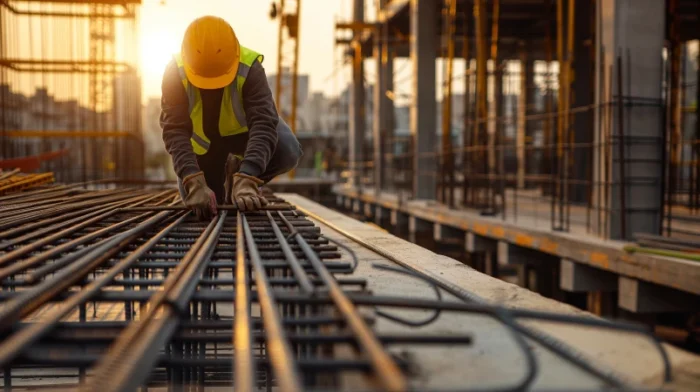
How to Budget for Electricity/Utility Construction Projects Without Surprises in New Jersey
Planning a utility construction project in New Jersey can feel overwhelming. Costs can shift quickly, and unexpected expenses often derail even well-prepared teams. Understanding how to build a realistic budget from the start helps you stay in control throughout every phase of the project.
Whether you are managing a commercial build-out or upgrading electrical infrastructure for an enterprise facility, smart budgeting protects your investment. Instrata helps clients across New Jersey plan, execute, and complete utility construction projects with confidence and clarity.
Quick Answer: How Do You Budget for Utility Construction in New Jersey?
Start by identifying every cost category before breaking ground. Additionally, build a contingency fund of at least 10–15% into your total budget. This simple step prevents most financial surprises on New Jersey job sites.
Why Utility Construction Costs Are Unpredictable in New Jersey
New Jersey has some of the highest labor and permitting costs in the country. Because of this, budgets that work in other states often fall short here.
Material prices also fluctuate based on supply chain conditions. Therefore, locking in quotes early and monitoring pricing trends gives your team a significant advantage. Local regulations and environmental requirements add another layer of complexity to every project.
Step 1: Define the Full Scope Before Setting Numbers
A clear project scope is the foundation of any accurate budget. However, many project managers skip this step and pay for it later with costly change orders.
Break down every element of your utility construction plan in detail. For example, identify whether the project involves underground conduit, aerial lines, transformer installations, or service panel upgrades. Each component carries its own labor, material, and permitting costs.
Additionally, consider how IT infrastructure needs may intersect with your electrical work. Many modern facilities require coordinated planning between electrical systems and structured cabling or data center power requirements.
Step 2: Understand New Jersey Permitting and Regulatory Costs
Permitting fees in New Jersey vary by municipality. As a result, you must research local requirements before finalizing your numbers.
Some townships require third-party inspections in addition to standard municipal reviews. These inspections add both time and cost to your project timeline. Therefore, always factor inspection fees into your early-stage estimates.
Environmental compliance is another key cost driver. New Jersey’s environmental regulations are strict, especially for projects near wetlands, flood zones, or protected areas. Plan for environmental assessments early to avoid costly delays later.
Step 3: Get Accurate Labor Estimates for New Jersey Projects
Labor is typically the largest line item in any utility construction budget. New Jersey’s prevailing wage laws apply to many public and government-adjacent projects. Because of this, your labor costs may be higher than standard market rates.
Work with licensed electricians and utility contractors who know local wage requirements well. Meanwhile, ensure your project schedule is realistic. Rushed timelines often lead to overtime costs that push budgets beyond acceptable limits.
Experienced contractors also help you identify tasks that can run in parallel. This approach saves time and reduces overall labor hours without cutting corners on safety or quality.
Step 4: Plan for Material Costs and Supply Chain Delays
Material costs for utility construction projects have remained volatile in recent years. Copper wire, conduit, switchgear, and transformers all experience price swings tied to global supply chains.
Therefore, request itemized quotes from multiple suppliers before committing to a budget figure. In addition, ask your contractor about lead times for specialty equipment. Long lead times for items like pad-mounted transformers can delay your entire project if not accounted for early.
Building a buffer into your material budget is always wise. A 10% contingency on material costs alone can prevent significant stress during the construction phase. Many businesses also work with digital marketing partners to communicate project timelines transparently to stakeholders and community members.
Step 5: Build a Realistic Contingency Fund
Every experienced project manager knows that surprises happen. However, a well-planned contingency fund turns surprises into manageable situations rather than budget crises.
Industry best practice recommends setting aside 10–20% of total project cost as contingency. For complex utility construction projects in New Jersey, leaning toward the higher end is advisable. Soil conditions, existing underground utilities, and weather delays are all common sources of unplanned costs.
Additionally, keep your contingency fund separate from your main project budget. This separation makes it easier to track spending and report accurately to stakeholders throughout the project lifecycle.
Step 6: Coordinate with Utility Providers Early
Coordination with New Jersey utility providers like PSE&G or JCP&L is essential. These utilities have their own timelines, requirements, and fees that directly impact your project budget.
Therefore, reach out to the relevant utility provider as early as possible in your planning phase. Their connection fees, service upgrade costs, and scheduling requirements must be included in your total budget. Delays caused by utility provider backlogs are common and can add weeks or months to a project timeline.
In addition, confirm who is responsible for each phase of the utility connection process. Misunderstandings about scope responsibility between your contractor and the utility provider are a frequent source of unexpected costs.
Step 7: Use Technology to Track and Control Project Costs
Modern project management tools make budget tracking far more accurate and efficient. As a result, teams that use digital tools tend to stay closer to their original budget targets.
Cloud-based platforms allow project managers, contractors, and clients to monitor spending in real time. Additionally, digital documentation of change orders prevents disputes and keeps costs transparent. These tools are especially valuable on larger utility construction projects with multiple subcontractors involved.
IT infrastructure and managed services can support your project management systems throughout the construction process. Finally, integrating your financial tracking tools with your project scheduling software gives you a complete picture of cost versus progress at every stage.
Frequently Asked Questions
What is the average cost of a utility construction project in New Jersey?
Costs vary widely based on project scope, location, and complexity. Small commercial projects may start around $50,000, while large infrastructure upgrades can exceed several million dollars. Always get multiple itemized quotes before establishing a firm budget.
How much should I set aside for permits in New Jersey?
Permitting costs depend on your municipality and project type. However, budgeting between $2,000 and $20,000 for permits and inspections is a reasonable starting range for most mid-sized utility construction projects in New Jersey.
What causes the most budget overruns in utility construction projects?
The most common causes include incomplete scope definitions, unexpected underground conditions, material price increases, and scheduling delays with utility providers. Building a strong contingency fund and defining scope clearly upfront reduces most of these risks significantly.
Do New Jersey prevailing wage laws affect all utility construction projects?
Prevailing wage requirements apply to public works projects and some government-related construction in New Jersey. However, private commercial projects may not always be subject to these rates. Consult with your contractor and legal team to confirm your project’s requirements.
How can Instrata help with utility construction budgeting in New Jersey?
Instrata brings deep experience in electricity and utility construction across New Jersey. Our team helps clients develop accurate project scopes, connect with trusted local contractors, and integrate utility work with broader IT infrastructure needs. We guide you from planning through completion with full transparency.
Disclaimer
This article is for educational purposes only and is not a substitute for professional medical advice, diagnosis, or treatment. If you are experiencing a mental health emergency, call or text 988 for immediate support.
Staying on budget for utility construction projects in New Jersey requires early planning, accurate scoping, and proactive coordination. When you address each cost category with care, you greatly reduce the risk of financial surprises. With the right partner guiding your utility construction investment, your project can stay on time, on budget, and built to last.
Ready to upgrade your technology infrastructure? Contact Instrata today to schedule a consultation and discover reliable, innovative, and scalable technology solutions tailored to your business needs.