

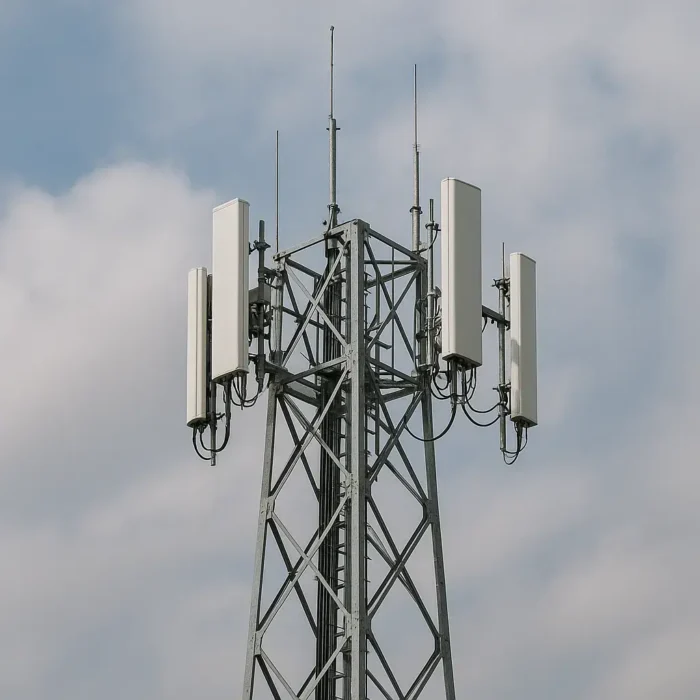
How Radio Frequency Helps Prevent Costly Downtime for Arizona Facilities
Unplanned downtime is one of the most expensive challenges any Arizona facility can face. Whether you manage a commercial building, an enterprise campus, or an industrial site, operational disruptions drain revenue fast. Radio frequency technology has become a powerful tool for keeping facilities connected, monitored, and fully operational around the clock.
Instrata works with facilities across Arizona to design and deploy reliable RF solutions. These systems address communication gaps, infrastructure weaknesses, and monitoring blind spots. As a result, businesses reduce downtime and protect their bottom line.
What Is Radio Frequency and Why Does It Matter for Facilities?
Radio frequency refers to electromagnetic signals used to transmit data wirelessly across short or long distances. Facilities use RF technology to support communication systems, security networks, and equipment monitoring. Because of this, RF has become a cornerstone of modern IT infrastructure.
Arizona facilities face unique challenges. Extreme heat, large physical footprints, and rapid growth all put pressure on communication systems. Therefore, having a robust RF strategy is not optional — it is essential for business continuity.
How Radio Frequency Directly Reduces Downtime Risks
RF systems allow real-time monitoring of critical equipment and infrastructure. When sensors detect anomalies, alerts go out immediately to facility managers. This means teams can respond before a small issue becomes a full system failure.
Additionally, RF-based communication keeps operations connected even when wired networks fail. Wireless redundancy ensures that staff can still coordinate and access key systems. Because of this, facilities maintain continuity during outages or emergencies.
Furthermore, RF technology supports automated responses. For example, a triggered alert can shut down overheating equipment automatically. This prevents cascading failures that lead to prolonged downtime.
Key Applications of Radio Frequency in Arizona Facilities
RF technology serves many practical purposes across facility types. Understanding these applications helps managers make informed infrastructure decisions. Below are the most impactful uses.
- Wireless sensor networks: Monitor temperature, humidity, and equipment health in real time.
- Two-way radio communication: Keep maintenance and security teams connected across large sites.
- RF-based access control: Secure entry points without relying on wired systems alone.
- Asset tracking: Locate critical equipment quickly using RFID and RF beacons.
- Building automation integration: Tie HVAC, lighting, and power systems into a single wireless network.
- Emergency communication systems: Ensure first responders maintain signal coverage throughout a building.
Each of these applications directly supports uptime. Moreover, they work together to create a layered approach to facility resilience. Instrata helps clients select and integrate the right combination of these tools for their specific environment.
Why Arizona’s Climate Makes RF Infrastructure Even More Critical
Arizona’s desert heat puts enormous stress on physical infrastructure. High temperatures accelerate equipment wear and increase failure rates. Therefore, remote monitoring through RF systems becomes especially valuable in this climate.
Data centers and commercial facilities in Phoenix, Tucson, and Scottsdale deal with extreme cooling demands. RF sensors can track cooling system performance continuously. As a result, facility teams catch failures before equipment overheats and shuts down.
Additionally, Arizona’s rapid urban growth means facilities are expanding. New wings, remote outbuildings, and distributed campuses create wireless coverage challenges. RF solutions scale easily to meet these expanding footprints without laying extensive new cabling.
How RF Technology Supports IP Security and Managed Services
Radio frequency works hand in hand with IP security systems. Wireless cameras, door controllers, and alarm sensors all rely on RF signals to communicate. This integration strengthens a facility’s overall security posture.
Managed services providers can also monitor RF networks remotely. Therefore, Instrata’s team can identify signal degradation or interference before it causes a problem. This proactive approach keeps security and communication systems running smoothly.
Moreover, combining RF with structured cabling creates a hybrid infrastructure. Wired connections handle high-bandwidth needs, while RF handles mobility and redundancy. Together, they deliver a more resilient and flexible facility network. Businesses that invest in this kind of integrated approach often work alongside experienced digital marketing partners to promote their modernized capabilities to new clients.
Choosing the Right Radio Frequency Solution for Your Facility
Not every RF solution fits every facility. The right choice depends on building size, industry, existing infrastructure, and operational priorities. Therefore, a professional assessment is always the best starting point.
Instrata conducts thorough site surveys before recommending any RF deployment. This ensures signal coverage reaches every critical area without interference. Additionally, it helps avoid costly over-engineering or under-building of the system.
Key factors to consider include frequency band selection, antenna placement, and integration with existing IT infrastructure. Each decision impacts system reliability and long-term performance. Finally, ongoing maintenance and monitoring plans ensure the solution remains effective as your facility evolves.
What to Expect During an RF System Deployment
A professional RF deployment follows a structured process. First, the team conducts a radio frequency survey to map signal strength and identify dead zones. Next, engineers design a system that fills those gaps with precision.
Installation typically involves mounting antennas, deploying wireless access points, and configuring network equipment. Additionally, the team integrates RF components with existing security, automation, and communication platforms. This creates a unified system that is easy to manage.
After installation, technicians perform thorough testing to verify coverage and performance. Moreover, staff receive training so they can operate the system confidently. As a result, facilities gain full value from their investment from day one.
Frequently Asked Questions
What types of Arizona facilities benefit most from radio frequency systems?
Almost any facility can benefit, but high-impact users include data centers, healthcare campuses, manufacturing plants, warehouses, and large commercial buildings. These sites have complex communication needs and cannot afford extended downtime. Therefore, RF solutions deliver significant operational value for them.
How does radio frequency prevent equipment failures?
RF-connected sensors monitor equipment continuously and send real-time alerts when conditions fall outside safe parameters. This allows facility teams to address issues before failures occur. Because of this, preventive maintenance becomes more accurate and timely.
Is radio frequency technology reliable in Arizona’s extreme heat?
Yes, modern RF equipment is designed to withstand wide temperature ranges. However, proper installation and placement are critical in desert climates. Additionally, regular maintenance checks help ensure components continue performing reliably in high-heat environments.
Can radio frequency systems integrate with existing wired infrastructure?
Absolutely. RF systems work alongside structured cabling and existing IT infrastructure. This hybrid approach offers both the stability of wired connections and the flexibility of wireless coverage. As a result, facilities do not need to replace their existing systems entirely.
How long does it take to deploy a radio frequency solution?
Deployment timelines vary based on facility size and system complexity. A standard commercial deployment can often be completed within days. However, larger enterprise or multi-site projects may require a more phased approach over several weeks.
Disclaimer
This article is for educational purposes only and is not a substitute for professional medical advice, diagnosis, or treatment. If you are experiencing a mental health emergency, call or text 988 for immediate support.
Investing in radio frequency infrastructure is one of the smartest decisions an Arizona facility manager can make. It protects operations, reduces costly interruptions, and supports long-term growth. If you are ready to strengthen your facility’s resilience, Contact Instrata today to get started with a professional RF assessment.
Ready to upgrade your technology infrastructure? Contact Instrata today to schedule a consultation and discover reliable, innovative, and scalable technology solutions tailored to your business needs.