

North Carolina businesses generate, store, and move more data than ever before. From healthcare providers in Raleigh and financial firms in Charlotte to manufacturers in Greensboro, logistics operations in Wilmington, and enterprise offices across the Research Triangle, secure data storage is essential for daily operations.
As organizations depend more on cloud platforms, connected devices, business applications, and remote teams, they need technology environments that protect sensitive information while keeping systems available. That is why professionally designed Data Centers play such an important role in modern business continuity, cybersecurity, and operational efficiency.
For companies across North Carolina, Instrata provides the expertise needed to build, support, and optimize secure infrastructure through Structured Cabling, IP Security, IT Infrastructure, Managed Services, Electricity/Utility Construction, and integrated Technologies.
Why Secure Data Storage Matters for North Carolina Businesses
Data is one of the most valuable assets a business owns. Customer records, financial information, employee files, operational systems, project documents, security footage, and application data all need to be protected from loss, theft, downtime, and unauthorized access.
However, secure storage requires more than saving files to a server or cloud platform. Businesses also need dependable infrastructure, physical security, backup planning, power reliability, network performance, and proactive monitoring.
Without a strong data center strategy, companies may face:
- System outages
- Data loss
- Cybersecurity vulnerabilities
- Poor application performance
- Compliance challenges
- Expensive emergency repairs
- Limited scalability
- Reduced employee productivity
For this reason, Data Centers are a critical investment for organizations that want secure, reliable, and scalable technology operations.
What Is a Data Center?
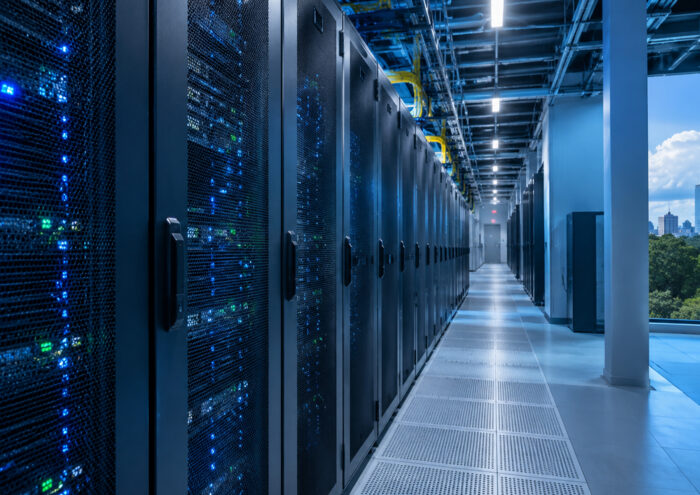
A data center is a dedicated technology environment used to store, manage, process, and protect business data. It may be a large enterprise facility, a private server room, a hybrid cloud environment, or a smaller on-site infrastructure space designed for local business operations.
A well-planned data center typically includes:
- Servers and storage systems
- Network switches and routers
- Structured Cabling
- Backup and recovery systems
- Environmental controls
- IP Security systems
- Power and utility infrastructure
- Monitoring tools
- Access control
- Managed Services support
Together, these systems help businesses keep data secure, organized, and available when teams need it most.
How Data Centers Improve Secure Data Storage
1. Stronger Physical Security
Digital security is important, but physical security matters too. If unauthorized individuals can access servers, storage devices, or network equipment, sensitive information may be at risk.
Professional Data Centers support stronger protection through IP Security solutions such as surveillance cameras, access control, monitoring systems, and secure entry points. In addition, proper equipment placement and restricted access policies help reduce the risk of tampering, theft, or accidental damage.
For example, a healthcare office in Raleigh may need to protect patient records, while a financial services company in Charlotte may need secure access controls for systems that store client data. In both cases, physical security supports stronger data protection.
2. Reliable IT Infrastructure
Secure data storage depends on reliable IT Infrastructure. Servers, switches, cabling, storage devices, firewalls, and backup systems must work together without interruption.
When infrastructure is poorly designed, businesses may experience slow access, failed backups, unstable applications, or unexpected outages. However, a professionally supported data center improves performance by creating a structured, documented, and scalable environment.
Instrata helps North Carolina organizations design IT Infrastructure that supports current needs while preparing for future growth.
3. Professional Structured Cabling
Behind every strong data center is a clean and organized cabling system. Structured Cabling supports fast, stable communication between servers, storage platforms, network equipment, security systems, and connected devices.
Poor cabling can create performance issues, airflow problems, troubleshooting delays, and downtime. On the other hand, organized cabling helps technicians identify connections quickly, perform maintenance safely, and expand systems more efficiently.
As businesses in Durham, Cary, Asheville, and Winston-Salem continue to grow, structured cabling gives them a dependable foundation for secure storage and future technology upgrades.
Business Continuity and Disaster Recovery
Secure data storage is not only about preventing unauthorized access. It is also about keeping information available during unexpected disruptions.
Data Centers support business continuity by helping organizations prepare for:
- Power outages
- Hardware failures
- Cyber incidents
- Natural disasters
- Network interruptions
- Application failures
- Accidental data deletion
With the right backup systems, recovery planning, and monitoring, businesses can reduce downtime and recover faster when problems occur. Consequently, teams can continue serving customers, managing operations, and protecting revenue.
For North Carolina companies operating in healthcare, finance, manufacturing, education, government contracting, and logistics, this level of resilience is essential.
The Role of Managed Services in Data Center Security
Even the best infrastructure needs ongoing support. Managed Services help businesses monitor, maintain, and optimize data center environments without overloading internal teams.
Instrata’s Managed Services can support secure data storage through:
- Network monitoring
- Server maintenance
- Backup oversight
- Security updates
- Vendor coordination
- Help desk support
- Performance reviews
- Infrastructure planning
- Documentation
- Lifecycle management
As a result, North Carolina businesses gain access to experienced technology professionals while reducing the cost and complexity of managing everything in-house.
Managed Services also help identify potential issues before they become expensive problems. Therefore, organizations can improve uptime, reduce risk, and plan smarter technology investments.
Why Electricity/Utility Construction Matters for Data Centers
Data Centers require dependable power and utility planning. Without the right electrical and utility infrastructure, even advanced systems can fail.
Electricity/Utility Construction supports the physical requirements of modern data environments, including server rooms, network closets, security systems, backup power, and connected facility infrastructure.
For example, a company expanding a data center in Charlotte may need power coordination, cabling pathways, equipment support, and network infrastructure upgrades. Meanwhile, a growing office in Raleigh may need a secure server room designed to support future expansion.
When power, cabling, and technology systems are planned together, businesses can reduce delays, avoid costly rework, and create safer environments for critical equipment.
Supporting Modern Technologies and Connected Operations
Today’s organizations rely on many connected systems. Data Centers often support cloud access, wireless networks, security cameras, business applications, Radio Frequency systems, and Audio Visual Services and Solutions.
Because these systems are connected, they need infrastructure that is secure, stable, and scalable. For instance, a logistics facility in Greensboro may rely on Radio Frequency tools for inventory tracking, while a corporate office in Durham may depend on video conferencing and AV systems for hybrid meetings.
Strong data center infrastructure helps these technologies perform consistently. Moreover, it supports digital momentum by helping businesses stay connected, secure, and ready for growth.
Why North Carolina Businesses Choose Instrata
Instrata serves commercial, enterprise, industrial, and residential clients across North Carolina, as well as Arizona, South Carolina, New Jersey, New York, Pennsylvania, Maryland, and Virginia.
Organizations choose Instrata because they need a technology partner that understands both the physical and digital sides of secure infrastructure. From Data Centers and Structured Cabling to IP Security, IT Infrastructure, Electricity/Utility Construction, Managed Services, Radio Frequency, and Audio Visual Services and Solutions, Instrata delivers comprehensive support tailored to each environment.
Whether upgrading a data center in Charlotte, improving secure storage in Raleigh, installing IP Security in Greensboro, or supporting IT Infrastructure in Wilmington, Instrata helps businesses build dependable technology systems with long-term value.
Build a More Secure Data Storage Strategy With Instrata
Secure data storage requires more than hardware. It takes reliable infrastructure, strong security, professional cabling, dependable power, proactive support, and scalable planning.
With expertise in Data Centers, Structured Cabling, IP Security, Radio Frequency, IT Infrastructure, Electricity/Utility Construction, Technologies, Managed Services, and Audio Visual Services and Solutions, Instrata helps North Carolina businesses protect critical information and improve operational resilience.