

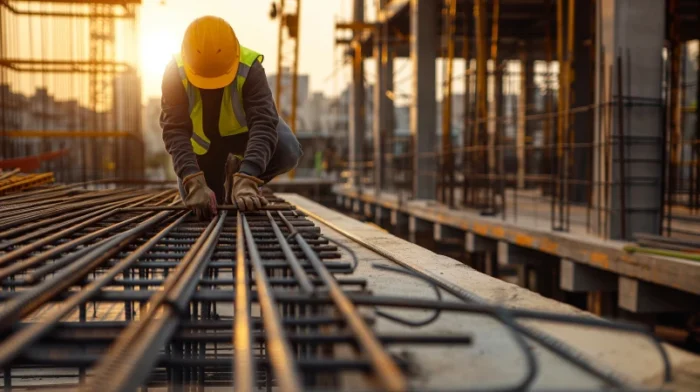
How Electricity/Utility Construction Helps Prevent Costly Downtime for South Carolina Facilities
Facilities across South Carolina depend on reliable power to stay operational. When electrical systems fail, the results can be immediate and expensive. Smart utility construction planning helps businesses avoid those disruptions before they happen.
Whether you manage a commercial building, a manufacturing plant, or an enterprise campus, downtime is one of your biggest risks. Instrata provides professional electricity and utility construction services designed to keep South Carolina facilities running at full capacity. In this article, we explain how proper utility construction prevents costly outages and strengthens your infrastructure long-term.
What Is Utility Construction and Why Does It Matter?
Utility construction refers to the planning, installation, and maintenance of electrical and power systems that support a facility. These systems include power distribution, grounding, conduit installation, and more. Without them, every other technology system in your building can fail.
For South Carolina facilities, this matters tremendously. The region experiences heat, humidity, and storm activity that puts stress on aging infrastructure. Therefore, proactive utility construction is not optional — it is essential for business continuity.
How Utility Construction Directly Prevents Downtime
Strong utility construction eliminates the weak points that cause unexpected outages. It ensures that power flows reliably to every critical system in your facility. Because of this, operations continue smoothly even when external conditions are challenging.
Properly designed electrical systems reduce the risk of overloads and short circuits. Additionally, they are built to code standards that account for South Carolina’s environmental conditions. Facilities that invest in quality construction experience far fewer emergency shutdowns.
For example, a properly grounded electrical system protects sensitive IT equipment from power surges. Meanwhile, redundant power pathways keep critical systems online during partial failures. These design choices add resilience that generic installations simply cannot match.
Key Components of Effective Electricity and Utility Construction
Several core components work together to create a dependable power infrastructure. Each one plays a specific role in preventing downtime for your facility. Understanding them helps you make smarter decisions about your building’s systems.
- Power Distribution Units (PDUs): These manage and balance electrical loads across your facility. Proper PDU placement reduces strain on individual circuits.
- Conduit and Wiring Systems: Quality conduit installation protects wiring from physical damage and environmental exposure. This extends the lifespan of your entire electrical system.
- Grounding and Bonding: Effective grounding protects equipment and personnel from electrical faults. It also stabilizes voltage across your infrastructure.
- Switchgear and Panels: Modern switchgear allows fast isolation of faults. As a result, a problem in one area does not bring down your entire facility.
- Backup and Redundant Power Systems: Generators and uninterruptible power supplies (UPS) keep operations running during outages. These are critical for data centers, healthcare facilities, and manufacturing plants.
- Utility Metering and Monitoring: Smart metering provides real-time visibility into power usage. This allows facility managers to catch anomalies before they become outages.
Together, these components create a robust and reliable electrical foundation. Furthermore, they support the IT infrastructure, security systems, and audio visual technology that modern facilities rely on daily.
South Carolina Facilities Face Unique Electrical Challenges
South Carolina’s climate presents specific risks to electrical infrastructure. High humidity accelerates corrosion in panels and connectors. Additionally, the state’s storm season brings power surges and grid instability that can damage unprotected systems.
Older commercial and industrial buildings often have outdated wiring that was not designed for today’s electrical loads. Modern technology systems demand significantly more power than equipment from decades past. Therefore, facilities must upgrade their utility construction to keep pace with growing demands.
In addition, South Carolina continues to attract new businesses and manufacturing operations. This growth increases pressure on local electrical grids. Facilities that rely solely on utility grid power without internal redundancy are especially vulnerable to supply disruptions.
How Instrata Approaches Utility Construction for South Carolina Clients
Instrata brings deep expertise in electricity and utility construction to every project. The team assesses your current infrastructure and identifies vulnerabilities before problems arise. This proactive approach saves facilities from expensive emergency repairs down the road.
Every project begins with a detailed site survey and power load analysis. However, Instrata does not stop at installation. The team also provides documentation, testing, and commissioning to ensure every system performs as designed.
Instrata’s electricians and engineers understand how utility construction integrates with broader technology infrastructure. For example, they coordinate electrical planning with structured cabling, data centers, and IT systems. This integrated approach ensures all systems work together seamlessly from day one.
South Carolina businesses also benefit from Instrata’s experience working across multiple states. The team brings best practices from projects in Virginia, Maryland, New York, and beyond. As a result, clients receive proven solutions tailored to local conditions and regulations.
Instrata also works with digital marketing partners to keep clients informed about new service offerings and technology updates that can further protect their facilities.
The Financial Cost of Ignoring Utility Infrastructure
Downtime is expensive in ways that go beyond lost productivity. Equipment damage from power surges can cost thousands of dollars to repair or replace. Additionally, data loss from sudden outages can have lasting consequences for businesses that depend on information systems.
Research consistently shows that unplanned downtime costs commercial facilities significant revenue per hour. For manufacturing environments, a single outage can disrupt entire production runs. Therefore, the upfront investment in quality utility construction pays for itself quickly.
Insurance claims related to electrical failures are also costly and time-consuming. Many insurers require documented proof of proper installation before covering certain losses. In addition, facilities with outdated infrastructure may face compliance issues with local and state electrical codes.
Finally, employee safety is a critical concern. Poorly maintained or improperly installed electrical systems create hazards. Modern utility construction standards protect workers as well as equipment.
Planned Maintenance vs. Emergency Repairs: Why Prevention Wins
Planned maintenance is always less expensive than emergency response. A scheduled inspection can identify a failing component before it causes a full system shutdown. Because of this, preventive maintenance programs offer exceptional value for South Carolina facility managers.
Emergency repairs often require expedited labor rates and rush orders for replacement parts. Additionally, the disruption to operations compounds the financial impact. A single emergency can cost more than an entire year of preventive maintenance service.
Instrata offers managed services that include regular inspections and proactive monitoring of electrical systems. These services detect early warning signs and allow for repairs during planned maintenance windows. As a result, facilities can schedule around downtime instead of being caught off guard by it.
Frequently Asked Questions
What types of South Carolina facilities benefit most from utility construction services?
Commercial office buildings, manufacturing plants, healthcare facilities, data centers, and educational institutions all benefit significantly. Any facility that depends on continuous power for operations should invest in professional utility construction. The larger and more complex the facility, the greater the risk of costly downtime without proper infrastructure.
How does utility construction connect to IT infrastructure and technology systems?
Electrical systems power every piece of IT infrastructure in your facility, including servers, networking equipment, and security systems. Utility construction must be coordinated with IT planning to ensure proper load distribution and redundancy. When electrical and technology systems are designed together, facilities achieve greater reliability and performance.
How long does a typical utility construction project take for a commercial facility?
Project timelines vary based on the size and complexity of the facility. A straightforward upgrade for a small commercial building may take a few days. However, a full infrastructure build-out for a large enterprise campus can take several weeks. A professional assessment will provide a clear timeline for your specific project.
Can utility construction be completed without shutting down my facility?
In many cases, experienced crews can phase work to minimize disruption to ongoing operations. Careful planning allows electrical upgrades to happen in sections while other areas remain operational. Additionally, temporary power solutions can maintain critical systems during transition periods.
How do I know if my South Carolina facility needs a utility construction upgrade?
Common signs include frequent circuit breaker trips, flickering lights, outdated panel equipment, or an inability to add new technology systems without overloading circuits. Additionally, if your building is more than 20 years old and has not had a major electrical upgrade, a professional assessment is strongly recommended. Early action prevents costly failures later.
Disclaimer
This article is for educational purposes only and is not a substitute for professional medical advice, diagnosis, or treatment. If you are experiencing a mental health emergency, call or text 988 for immediate support.
Protecting your facility from downtime starts with reliable utility construction that meets today’s power demands. South Carolina facilities that invest in modern electrical infrastructure gain a clear advantage in operational stability and cost control. Contact Instrata today to schedule a professional assessment and take the first step toward a more resilient facility.
Ready to upgrade your technology infrastructure? Contact Instrata today to schedule a consultation and discover reliable, innovative, and scalable technology solutions tailored to your business needs.