

How Electricity/Utility Construction Helps Prevent Costly Downtime for Pennsylvania Facilities
Downtime is one of the most expensive problems a facility can face. For businesses across Pennsylvania, unexpected power failures and aging electrical infrastructure can halt operations without warning. Proper utility construction helps facilities avoid these disruptions before they happen.
Instrata works with commercial and enterprise clients throughout Pennsylvania to build and upgrade electrical and utility systems. These systems keep facilities running safely, reliably, and efficiently. The right infrastructure investment today can prevent significant losses tomorrow.
What Is Utility Construction and Why Does It Matter?
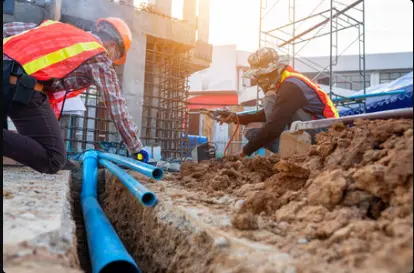
Utility construction refers to the planning, installation, and upgrading of electrical and power systems within a facility. It includes everything from transformers and switchgear to conduit systems and backup power solutions. Because of this, it forms the backbone of any reliable building operation.
Without strong utility infrastructure, facilities become vulnerable to outages. Pennsylvania facilities in particular face seasonal weather challenges that can stress aging electrical systems. Therefore, proactive construction and maintenance are essential for long-term reliability.
The Real Cost of Downtime for Pennsylvania Facilities
Downtime costs businesses far more than most owners realize. Lost productivity, damaged equipment, and missed revenue can add up within hours of an outage. For example, a manufacturing plant losing power for just one shift can suffer thousands of dollars in losses.
Additionally, data centers and healthcare facilities face even greater stakes. System failures in these environments can compromise patient safety or destroy critical information. As a result, these industries require the highest standards of electrical infrastructure design and construction.
Retail and hospitality facilities also suffer during unexpected outages. Customers leave, transactions stop, and reputations take a hit. Because of this, investing in sound utility construction is not optional for serious facility operators.
How Proper Utility Construction Prevents Power Failures
Expert utility construction addresses the root causes of power failures before they occur. It starts with a thorough assessment of existing electrical systems and load demands. Then, engineers design upgrades that match the facility’s current and future needs.
High-quality conduit installation, proper grounding, and correctly rated circuit protection all reduce failure points. Additionally, modern switchgear and automatic transfer switches ensure power shifts smoothly when the grid experiences disruptions. These components work together to keep facilities operational around the clock.
Furthermore, well-constructed utility systems include redundancy. Redundant pathways mean that if one component fails, another takes over immediately. Therefore, the facility continues operating without interruption.
Backup Power Systems as a Key Part of Utility Construction
Backup power is a critical component of any comprehensive utility construction plan. Generators, uninterruptible power supplies, and battery storage systems all play important roles. However, these systems only work well when they are properly installed and integrated into the main electrical infrastructure.
Automatic transfer switches detect power loss and engage backup systems within seconds. This rapid response prevents the kind of hard shutdowns that damage equipment and corrupt data. As a result, businesses experience less downtime and fewer costly repairs.
In addition, regular testing of backup systems is part of a responsible utility construction strategy. Instrata designs systems with maintenance in mind so that testing is simple and non-disruptive. This approach keeps Pennsylvania facilities prepared for any scenario.
Utility Construction and IT Infrastructure: A Critical Connection
Modern facilities rely heavily on IT infrastructure, and that infrastructure depends entirely on stable power. Servers, network equipment, and communication systems need clean, consistent electricity to function properly. Therefore, utility construction and IT infrastructure planning must go hand in hand.
Power conditioning and surge protection are often incorporated during the construction phase. These measures shield sensitive technology from voltage fluctuations and surges. Meanwhile, structured cabling systems are also laid out to align with the electrical plan for maximum efficiency.
Facilities that coordinate their electrical and technology infrastructure from the start experience fewer compatibility issues. They also enjoy easier upgrades over time. Companies focused on digital marketing and online growth recognize that reliable IT uptime is a competitive advantage, and it all starts with solid power infrastructure.
Energy Efficiency Benefits of Modern Utility Construction
Beyond preventing downtime, modern utility construction also improves energy efficiency. Upgraded transformers, LED-compatible wiring, and smart metering systems reduce unnecessary energy consumption. Because of this, Pennsylvania facilities can lower their utility bills while improving reliability.
Energy-efficient systems also reduce wear on electrical components. Less strain means longer lifespans for expensive equipment. As a result, facilities spend less on replacements and emergency repairs over time.
Additionally, many Pennsylvania businesses pursue sustainability goals. Modern utility construction supports those goals by integrating energy management systems that track and optimize consumption. This positions facilities for long-term operational and financial health.
Choosing the Right Utility Construction Partner in Pennsylvania
Not all utility construction providers offer the same level of expertise. Pennsylvania facilities need a partner who understands local codes, climate conditions, and industry-specific demands. Experience matters greatly when designing systems that must perform reliably for decades.
Instrata brings deep expertise in electricity and utility construction for commercial and enterprise facilities. The team handles projects from initial planning through final inspection, ensuring every system meets the highest standards. Furthermore, Instrata’s experience across multiple states means clients benefit from a broad knowledge base.
A qualified partner will also provide ongoing support after installation. Preventive maintenance agreements help facilities stay ahead of potential issues. Therefore, choosing the right construction partner is one of the most important decisions a facility manager can make.
Frequently Asked Questions
What types of facilities benefit most from utility construction upgrades in Pennsylvania?
Nearly every type of facility benefits from upgrades. However, data centers, healthcare facilities, manufacturing plants, and commercial office buildings see the greatest impact. These environments have high power demands and low tolerance for outages.
How long does a typical utility construction project take?
Project timelines vary based on scope and facility size. However, most commercial utility construction projects take anywhere from a few weeks to several months. Proper planning helps minimize disruption to daily operations during the project.
Can utility construction be completed without shutting down a facility?
In many cases, yes. Experienced construction teams phase the work strategically to keep critical systems online. Additionally, temporary power solutions can support operations while permanent systems are installed or upgraded.
What role does utility construction play in supporting backup power systems?
Utility construction creates the electrical framework that backup systems connect to. Without proper integration, generators and UPS systems may not respond correctly during an outage. Therefore, construction and backup power planning must be handled together.
How does Instrata approach utility construction projects in Pennsylvania?
Instrata begins every project with a detailed assessment of the facility’s existing systems and goals. From there, the team designs a custom solution that addresses current needs and future growth. Finally, the project is completed to code with ongoing support available after installation.
Disclaimer
This article is for educational purposes only and is not a substitute for professional medical advice, diagnosis, or treatment. If you are experiencing a mental health emergency, call or text 988 for immediate support.
Pennsylvania facilities cannot afford to leave their electrical infrastructure to chance. Reliable utility construction is the foundation of uninterrupted operations, equipment protection, and long-term cost savings. Contact Instrata today to learn how expert planning and construction can protect your facility from costly downtime.
Ready to upgrade your technology infrastructure? Contact Instrata today to schedule a consultation and discover reliable, innovative, and scalable technology solutions tailored to your business needs.