

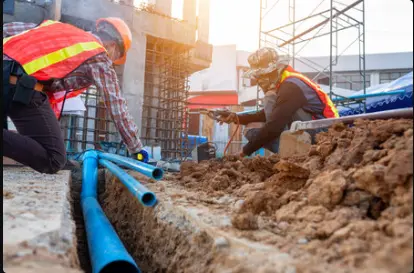
Where Electricity/Utility Construction Fits Into Compliance-Ready Facilities in New York
Building a compliance-ready facility in New York requires far more than permits and paperwork. Utility construction forms the backbone of any commercial or enterprise space that must meet strict regulatory standards. From power distribution to grounding systems, every electrical element must align with local codes and safety requirements.
Instrata has worked with businesses across New York to design and build electrical and utility systems that meet compliance standards from day one. In this article, we explore how electricity and utility construction directly supports compliance-ready facilities and why it matters for your organization.
What Is Utility Construction and Why Does It Matter for Compliance?
Utility construction refers to the planning, installation, and management of electrical and power infrastructure within a facility. In New York, compliance means meeting a wide range of building codes, fire safety standards, and utility regulations. Therefore, getting utility construction right from the start is essential.
Facilities that skip proper planning often face costly retrofits. Additionally, non-compliant electrical systems can lead to failed inspections, fines, or shutdowns. A strong utility construction plan prevents these problems before they begin.
How New York Regulations Shape Utility Construction Projects
New York has some of the most detailed building and electrical codes in the country. The New York City Electrical Code, for example, aligns closely with the National Electrical Code but includes additional local requirements. Because of this, utility construction teams must stay current on all applicable rules.
State and city agencies regularly update compliance requirements. As a result, facilities must build systems that are not only compliant today but also adaptable for future changes. Working with experienced utility construction professionals ensures your facility stays ahead of evolving regulations.
Commercial and enterprise clients in New York also face oversight from the Department of Buildings and Con Edison. Therefore, every project must account for coordination with these agencies. Proper documentation, inspections, and sign-offs are all part of the compliance process.
Key Components of Utility Construction in Compliance-Ready Facilities
Compliance-ready facilities rely on several critical utility construction components. Each one plays a direct role in meeting safety and regulatory standards.
- Power Distribution Systems: These systems route electricity safely throughout the facility. Proper sizing and installation prevent overloads and fire hazards.
- Grounding and Bonding: These elements protect people and equipment from electrical faults. In addition, they are required by both state and federal codes.
- Emergency Power and Backup Systems: Many New York facilities must maintain backup power for emergency egress and life safety systems. Therefore, generator and UPS installations are a key part of utility construction.
- Metering and Submetering: New York City requires submetering in many commercial buildings. As a result, utility construction must include accurate metering infrastructure.
- Conduit and Wiring Pathways: Code-compliant conduit systems protect wiring and support long-term maintenance access.
Each component must be installed with precision. Furthermore, all work must be documented for inspections and future audits.
The Role of Utility Construction in Data Centers and IT Infrastructure
Data centers and IT infrastructure environments have unique power requirements. These facilities demand uninterrupted power, precise load balancing, and redundant systems. Therefore, utility construction in these environments is especially complex.
New York hosts many enterprise data centers and colocation facilities. Meanwhile, the demand for reliable and scalable power continues to grow. A well-designed utility construction plan ensures these facilities can scale without compromising compliance.
Power delivery systems must also integrate with IT infrastructure, including structured cabling and network equipment. Because of this, utility construction teams often work alongside IT professionals to align electrical and technology systems. This coordination reduces conflicts and supports a more efficient build.
Businesses that invest in digital marketing for their data center services understand that compliance is a key selling point for enterprise clients. A compliant, well-built facility signals reliability and professionalism.
Utility Construction Standards That Support Building-Wide Safety
Safety is the foundation of every compliance requirement in New York. Utility construction standards exist to protect occupants, equipment, and the surrounding community. However, meeting these standards requires more than following a checklist.
Fire-rated assemblies, arc-fault protection, and tamper-resistant outlets are all part of modern compliance requirements. Additionally, proper labeling and panel identification help maintenance teams respond quickly during emergencies. These details matter during inspections and audits.
Furthermore, OSHA standards apply to all utility construction work in New York. Workers must follow lockout/tagout procedures and other safety protocols. As a result, hiring a qualified and experienced utility construction team protects both your people and your project.
Planning Utility Construction for Long-Term Compliance
Compliance is not a one-time achievement. It requires ongoing attention and proactive planning. Therefore, utility construction should be designed with future scalability and code updates in mind.
Facilities that plan for growth avoid expensive rework later. For example, installing oversized conduit pathways during initial construction makes future upgrades much easier. Similarly, choosing equipment with modular designs allows systems to grow alongside the facility’s needs.
Routine maintenance and inspection schedules also support long-term compliance. Additionally, keeping detailed records of all utility construction work helps during re-inspections and tenant audits. A well-documented facility is a compliant facility.
New York facilities should also consider energy efficiency standards. Local Law 97, for instance, requires many large buildings to reduce carbon emissions over time. Therefore, utility construction plans should incorporate energy-efficient systems and smart metering solutions where applicable.
Why Choosing the Right Utility Construction Partner in New York Matters
Not every contractor understands the full scope of New York’s compliance requirements. However, the right partner brings both technical expertise and regulatory knowledge to every project. This combination is essential for a successful outcome.
An experienced utility construction team coordinates with architects, engineers, and inspectors throughout the project. As a result, issues are caught early and resolved before they become costly problems. This proactive approach saves time and protects your investment.
Instrata serves commercial and enterprise clients across New York with end-to-end electricity and utility construction services. Our team understands local codes, utility provider requirements, and enterprise-grade infrastructure standards. Therefore, clients trust us to deliver compliant, high-performance systems every time.
Frequently Asked Questions
What does utility construction include for commercial facilities in New York?
Utility construction covers the design and installation of power distribution, grounding, emergency power, metering, and wiring systems. These elements must comply with New York’s building and electrical codes. Additionally, coordination with local utilities like Con Edison is often required.
How does utility construction support compliance in data centers?
Data centers require redundant power systems, precise load management, and backup power solutions. Utility construction provides the infrastructure that supports these needs. Because of this, compliance in data centers depends heavily on quality electrical planning and installation.
What are the main compliance standards for utility construction in New York?
Key standards include the New York City Electrical Code, the National Electrical Code, OSHA safety regulations, and Local Law 97 for energy efficiency. Therefore, utility construction teams must be familiar with all applicable rules. Regular code updates make ongoing training essential.
How often should utility systems be inspected for compliance?
Inspection frequency depends on the facility type and local requirements. However, most commercial facilities should schedule annual inspections at a minimum. Additionally, any major renovation or equipment upgrade should trigger a full compliance review.
Can Instrata handle utility construction for both new builds and existing facilities?
Yes. Instrata provides utility construction services for new construction projects and existing facilities requiring upgrades or compliance retrofits. Furthermore, our team works across New York to deliver scalable and code-compliant solutions for residential, commercial, and enterprise clients.
Disclaimer
This article is for educational purposes only and is not a substitute for professional medical advice, diagnosis, or treatment. If you are experiencing a mental health emergency, call or text 988 for immediate support.
When it comes to building a compliant facility in New York, utility construction is not an afterthought. It is a foundational element that shapes safety, efficiency, and long-term regulatory success. Contact Instrata today to learn how our team can support your next project.
Ready to upgrade your technology infrastructure? Contact Instrata today to schedule a consultation and discover reliable, innovative, and scalable technology solutions tailored to your business needs.